650,000 Refugees in South Sudan Face Losing Food Aid as Funds Run Dry
Michael Harrison ·
Listen to this article~4 min
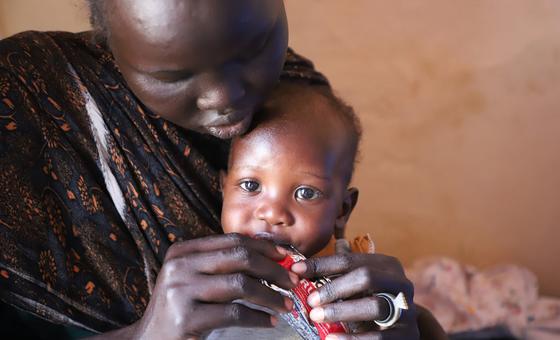
More than 650,000 refugees in South Sudan could lose vital food assistance due to a critical funding shortage, UN agencies warn. Here's what's at stake.
When you think about the scale of a humanitarian crisis, numbers can start to feel abstract. But 650,000 is a number that should stop you cold. That's how many refugees and asylum seekers in South Sudan are now at risk of losing their lifeline of food assistance. The reason? A critical shortage of funding that's forcing the United Nations to sound the alarm.
Both the UN Refugee Agency (UNHCR) and the World Food Programme (WFP) issued a joint warning this past Friday. Their message was stark: without immediate financial support, hundreds of thousands of vulnerable people could be cut off from essential aid. And when we say essential, we mean the difference between survival and catastrophe.
### Why This Funding Gap Hits So Hard
South Sudan is already one of the most fragile places on Earth. Years of conflict, flooding, and economic instability have pushed millions into extreme hunger. For refugees who've already fled violence and lost everything, food assistance isn't just a handout—it's a wall between them and starvation.
The funding shortfall isn't a small dent. It's a massive hole in the humanitarian budget. When programs run out of money, the first thing that gets scaled back is food rations. That means families who were already surviving on minimal portions will now get even less, or nothing at all.
Here's what's at stake if the funding doesn't arrive soon:
- **Increased malnutrition rates**, especially among children under five
- **More families resorting to desperate measures**, like skipping meals for days
- **A rise in preventable diseases** as weakened bodies lose their ability to fight off infections
- **Greater pressure on already overwhelmed host communities**
The UN agencies didn't mince words. They called this a life-or-death situation for thousands of people. And they're right.
### The Ripple Effect of Empty Shelves
When food aid stops, the consequences don't stay contained. Kids drop out of school because they're too weak to walk there or because their parents need them to search for food. Families sell their last belongings—cooking pots, blankets, tools—just to buy a sack of grain. And in the worst cases, people pack up and move again, hoping some other place might have more to offer.
This isn't just about one meal. It's about the entire fragile ecosystem of survival that refugees have built. Take away the food, and the whole structure collapses.
### What Can Be Done?
The UNHCR and WFP are appealing to donor governments, private foundations, and individuals to step up. They need funding to bridge the gap and keep food pipelines flowing. Every dollar counts, but the scale of the need is enormous.
It's easy to feel powerless when you hear about a crisis half a world away. But the agencies that run these programs are clear: public pressure on governments to maintain or increase humanitarian budgets makes a difference. So does direct giving to reputable organizations working on the ground.
### A Glimmer of Hope?
There's always a chance that new pledges will come in before the worst happens. Humanitarian funding is unpredictable, and sudden injections of cash have saved the day before. But the window is narrowing, and the agencies are being blunt about the timeline.
For now, the world watches and waits. But for 650,000 people, waiting isn't an option. They need action, and they need it soon.
If you're reading this and wondering what you can do, start by staying informed. Share the story. Talk about it. And if you're able, consider supporting organizations that provide emergency food aid. Because sometimes, the difference between life and death is just a matter of funding.