How AI Is Helping Georgia Save Its Native Cattle Breeds
Sarah Jenkins ·
Listen to this article~5 min
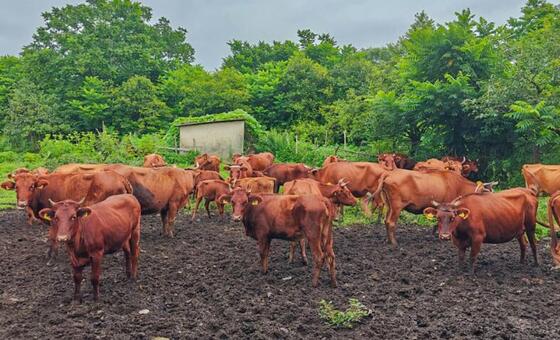
Georgia is using AI to identify and protect its native cattle breeds, safeguarding genetic diversity and helping farmers adapt to a changing agricultural world.
Here's something you might not have thought about: the cattle in your local pasture might be carrying centuries of genetic history, and in Georgia, that history is now getting a digital safeguard. A new project is using artificial intelligence to identify and track native cattle breeds, and honestly, it's the kind of tech-meets-agriculture story that feels both futuristic and deeply rooted in tradition.
Georgia, the country at the crossroads of Europe and Asia, has a rich farming heritage. Its local cattle breeds aren't just livestock; they're living archives of adaptation, resilience, and regional identity. But here's the catch—these breeds are at risk. As industrial farming pushes for uniform, high-yield animals, native breeds often get pushed aside. That's where this AI system comes in, and it's a pretty clever solution.
### Why Native Breeds Matter More Than You Think
You might wonder why we should care about a few local cow breeds when there are plenty of productive commercial ones. Well, think of it like this: genetic diversity is nature's insurance policy. If a disease hits commercial herds or the climate shifts dramatically, the genes in native breeds could hold the key to survival. They've adapted to local conditions over generations—harsh winters, rugged terrain, specific forage—and that hardiness is invaluable.
Losing these breeds would be like burning a library of agricultural knowledge. The new AI project aims to prevent that by creating a digital recognition system that can accurately identify Georgian cattle breeds from photos or video. It's not just about cataloging; it's about monitoring populations and helping farmers and conservationists make informed decisions.
### How the AI System Actually Works
So, how does a computer learn to tell one cow breed from another? It's all about training data. The system is being fed thousands of images of Georgian cattle, each labeled with the correct breed. The AI then learns the subtle differences in coat color, horn shape, body proportions, and other physical traits. Once trained, it can analyze new images and identify the breed with impressive accuracy.
This isn't just a cool tech demo. It has practical applications:
- **Conservation tracking:** Conservationists can use the system to monitor breed populations in remote areas without needing a human expert on-site.
- **Farm management:** Farmers can easily document their herds and verify breed purity, which can be important for breeding programs.
- **Policy planning:** With better data, government agencies can create targeted support programs for endangered breeds.
### The Bigger Picture for Agriculture
The project is part of a broader effort to preserve agricultural biodiversity in Georgia. It's a reminder that technology and tradition don't have to be at odds. In fact, they can work together beautifully. The AI doesn't replace the knowledge of local herders; it amplifies it. It gives them a tool to protect what they've always known is valuable.
There's also an economic angle. Breeds that are officially recognized and documented can be marketed more effectively, especially for specialty products like cheese or meat with geographical indications. That can mean higher prices for farmers and a stronger rural economy. So, this isn't just about nostalgia; it's about smart, sustainable agriculture.
### What This Means for the Rest of Us
You might be reading this from a completely different part of the world, but the lesson here is universal. We often think of AI as something that belongs in Silicon Valley or in self-driving cars. But it's also proving to be a powerful ally in the fields, barns, and pastures that feed us. Whether it's identifying cattle in Georgia or predicting crop yields in the Midwest, the technology is finding its way into the most grounded aspects of our lives.
As the project moves forward, it'll be interesting to see how it evolves. Will it expand to other livestock? Could it be shared with other countries that face similar challenges? The possibilities are as vast as the open range. For now, it's a hopeful story about using innovation to hold onto the things that matter. And in a world that's changing fast, that's something worth raising a glass to.
If you're involved in agriculture or just care about where your food comes from, keep an eye on this one. It's a small project with potentially huge implications for how we protect the living heritage that sustains us all.