How Brazil's Indigenous Youth Are Using Art to Fight Climate Change
David Miller ·
Listen to this article~4 min
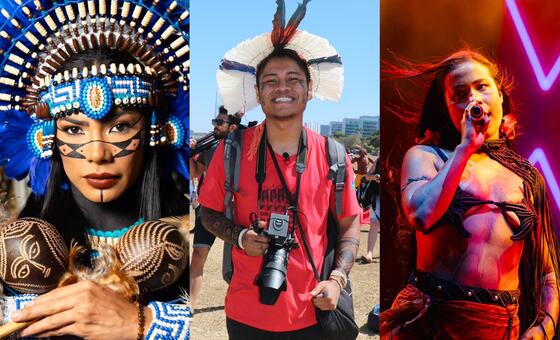
Brazil's Indigenous youth are turning to music, photography, and dance to fight climate change and preserve their culture. Discover how art is becoming a powerful tool for resistance and resilience.
Across Brazil, Indigenous lands are being reshaped by climate change in ways that are hard to ignore. Temperatures are climbing, fires are tearing through forests that have stood for centuries, and the food sources that communities have relied on for generations are becoming harder to find. But amid all this loss, something powerful is emerging: a new generation of Indigenous creators who are turning to art — music, photography, dance, and social media — as a form of resistance and resilience.
This isn't just about raising awareness. For these young people, art is a lifeline. It's a way to document what's happening on their land, to preserve cultural knowledge that's at risk of disappearing, and to demand that the world pays attention. And it's working. Their voices are reaching audiences far beyond their villages, sparking conversations that were once impossible.
### Why Art Became the New Frontline
Climate change isn't a distant threat for Indigenous communities in Brazil. It's happening right now, in their backyards. Rivers are drying up, wildlife is vanishing, and traditional farming methods are failing. When the physical world becomes unstable, culture becomes even more important — it's the anchor that holds everything together.
Art offers a way to process grief and anger while also building a vision for the future. A photograph of a burned forest can say more than a thousand words. A song in a native language can carry stories that textbooks ignore. A dance can bring a community together in a way that a protest sign never could.
### The Tools of the Digital Age
Here's the thing that's changed: the digital world has opened doors that didn't exist before. Young Indigenous artists are using platforms like Instagram, TikTok, and YouTube to share their work with a global audience. They're not waiting for permission from galleries or media outlets. They're building their own platforms, on their own terms.
- Social media posts that show daily life, struggles, and victories
- Music videos that blend traditional rhythms with modern beats
- Photography series that capture both beauty and devastation
- Dance videos that celebrate cultural identity and resistance
These tools let them bypass the gatekeepers and speak directly to people who care. And that's a big deal. It means their stories aren't being filtered through outsiders who might get them wrong. They're telling their own truths, in their own voices.
### More Than Just a Performance
It would be easy to dismiss this as just young people posting online, but that would be a mistake. This art is doing real work. It's educating people who've never stepped foot in the Amazon. It's putting pressure on policymakers. It's creating a sense of solidarity among Indigenous communities across Brazil who realize they're not alone in this fight.
As one young activist put it: "When I dance, I'm not just moving my body. I'm moving my history, my ancestors, and my future." That's the weight these creations carry.
### What Comes Next
The road ahead isn't easy. Climate change isn't going to reverse overnight, and the pressures on Indigenous lands are only increasing. But this new generation isn't backing down. They're using every tool they have — old and new — to make sure their voices are heard.
Art won't solve everything, but it's a start. It's a way to hold on to identity when everything else is shifting. And it's a reminder that even in the face of overwhelming change, creativity can be a form of survival. For those of us watching from the outside, the least we can do is listen — and maybe learn something along the way.