How Brazil's Indigenous Youth Are Using Art to Fight for Their Future
Eleanor Vance ·
Listen to this article~4 min
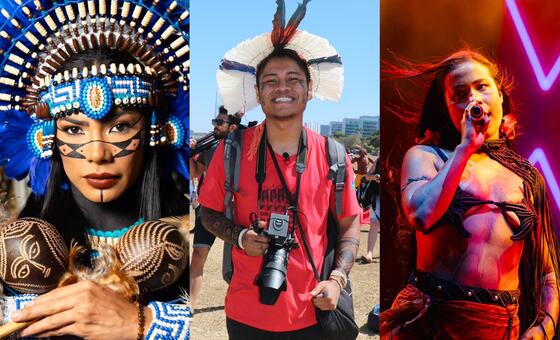
Brazil's Indigenous youth are turning to social media, music, and dance to fight climate change and protect their ancestral lands. Here's how art became their most powerful weapon.
Climate change is redrawing the map of Brazil, and it's hitting Indigenous communities harder than almost anyone else. Rising temperatures, devastating wildfires, and the slow disappearance of ancestral lands are forcing a reckoning. But here's the thing: the younger generation isn't just waiting for things to get worse. They're stepping up, and they're doing it with something unexpected—art.
For decades, the story of Indigenous resistance was told through protests and legal battles. Those still matter, of course. But today, something new is happening. A wave of young creators is using social media, music, photography, and dance to push back. It's not just about preserving culture anymore. It's about reshaping the narrative and demanding a seat at the table.
### The Digital Frontier as a New Battleground
Think about it this way: your grandparents had letters and landline calls. Your parents had email and maybe a flip phone. But young Indigenous Brazilians today have Instagram, TikTok, and YouTube right in their pockets. That's not just a technological upgrade—it's a megaphone.
These platforms let them bypass traditional media gatekeepers. Instead of waiting for a journalist to tell their story, they're telling it themselves. A 20-year-old from the Amazon can film a 60-second video about deforestation and reach millions of people before breakfast. That's power, and they know it.
But it's not just about reach. It's about control. When you post your own story, you get to decide what gets seen and how it's framed. That's a radical shift from the past, when outsiders often portrayed Indigenous peoples as either victims or relics. Now, they're the ones holding the camera.
### Music and Dance as Living Archives
One of the most striking things about this movement is how it blends the old with the new. Traditional songs and dances aren't being abandoned—they're being remixed, literally. Young artists are sampling ancestral chants and layering them over modern beats. The result is something that feels both ancient and completely fresh.
This isn't just entertainment. For many communities, these art forms are living archives. They carry knowledge about medicinal plants, seasonal cycles, and spiritual beliefs that might otherwise be lost. When a young person performs a traditional dance and posts it online, they're not just showing off—they're preserving something precious.
And here's a key point: this is happening at a time when food sources are vanishing. As rivers dry up and forests shrink, traditional hunting and gathering methods are becoming harder to sustain. Art offers a way to keep cultural identity strong even as the physical landscape changes around them.
### Why This Matters Beyond Brazil's Borders
You might be wondering why you should care about this if you're sitting in, say, Ohio or California. Fair question. Here's the answer: climate change doesn't respect borders. The fires in the Amazon affect weather patterns across the globe. The loss of biodiversity there impacts everyone.
But there's a deeper lesson too. These young artists are showing us that resistance doesn't have to look one way. It can be a song, a photo series, or a viral dance challenge. Sometimes, the most powerful form of protest is simply refusing to disappear.
- Social media amplifies voices that were once ignored
- Music and dance keep cultural knowledge alive
- Photography documents changes that words can't capture
- Digital platforms create new economic opportunities
### What Comes Next
The road ahead isn't easy. Connectivity is still patchy in many remote areas, and there's always the risk of backlash from those who'd rather keep Indigenous voices quiet. But the momentum is real, and it's growing.
What's exciting is that this isn't a top-down movement. It's bubbling up from communities themselves. Each new artist who posts their work is adding a thread to a larger tapestry. And that tapestry is getting harder to ignore.
So the next time you scroll past a video of an Indigenous artist dancing or singing, take a moment. You're not just watching a performance. You're witnessing a generation fighting for its future—and using every tool it has to win.