Brazil's Indigenous Youth Are Fighting Back with Art and Digital Tools
Felix Braun ·
Listen to this article~5 min
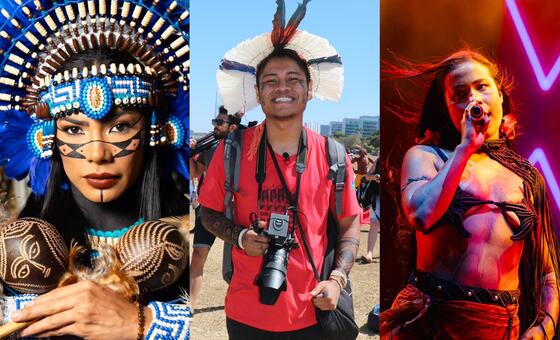
Climate change is reshaping Indigenous lands in Brazil, but a new generation is fighting back with art, music, and digital tools. Discover how they're turning resistance into a cultural movement.
Climate change is redrawing the map of Brazil, and for the country's Indigenous peoples, the stakes couldn't be higher. Rising temperatures, devastating wildfires, and the slow loss of ancestral lands are not distant threats—they're happening right now. But amid this turmoil, a new generation is stepping up, and they're armed with something unexpected: art, music, and the boundless reach of the digital world.
These young activists aren't waiting for permission. They're using social media, photography, and dance to tell their own stories, push back against erasure, and demand a seat at the table. It's not just resistance—it's a full-blown cultural renaissance, and it's reshaping how the world sees Indigenous Brazil.
### The Fight Goes Digital
For decades, Indigenous communities have relied on traditional forms of advocacy—protests, legal battles, and diplomatic pressure. But now, a new front has opened up online. Platforms like Instagram, TikTok, and YouTube have become powerful megaphones for voices that were once marginalized.
- Social media campaigns that spotlight land invasions and environmental destruction
- Short video clips showing daily life, rituals, and the beauty of Indigenous cultures
- Live streams from protests and community meetings, giving the world a front-row seat
It's not just about visibility, though. These digital spaces allow young Indigenous people to connect with each other across vast distances, building a network of solidarity that spans the entire country. They're sharing strategies, resources, and encouragement—and it's working.
### Art as a Weapon of Resistance
Art has always been a way to express what words can't. For this new generation, it's also a tool for survival. Music, in particular, has become a rallying cry. Young artists are blending traditional rhythms with modern beats, creating a sound that's both deeply rooted and unmistakably current.
Photography is another powerful medium. By capturing the reality of their lives—the good, the bad, and the ugly—these photographers are challenging the stereotypes that have long defined Indigenous people in the Brazilian media. They're not victims; they're protagonists in their own stories.
Dance, too, plays a role. Traditional dances are being revived and reimagined, often with a contemporary twist that speaks to younger audiences. It's a way of keeping culture alive while also making a statement: we're still here, and we're not going anywhere.
### What's at Stake
The urgency behind this movement can't be overstated. As the climate crisis intensifies, Indigenous lands are becoming some of the most vulnerable areas on the planet. The fires that swept through the Amazon in recent years weren't just an environmental disaster—they were an attack on a way of life.
Food sources are disappearing. Rivers are drying up. The very ground that has sustained these communities for centuries is shifting beneath their feet. And yet, despite all of this, there's a palpable sense of hope among the young activists.
They're not just fighting to preserve the past; they're fighting to build a future. A future where Indigenous voices are heard, where their rights are respected, and where their cultures can thrive, not just survive.
### A New Chapter in an Old Story
This isn't the first time Indigenous peoples have resisted—far from it. But it might be the first time they've had tools like these at their disposal. The digital revolution has leveled the playing field in ways that were unimaginable just a generation ago.
What's happening in Brazil is part of a larger global movement, but it has its own unique flavor. It's rooted in centuries of resilience, but it's also forward-looking, innovative, and unapologetically modern.
So, what can we learn from this? Maybe it's that resistance doesn't always look like a protest march. Sometimes, it looks like a song, a photograph, or a well-timed tweet. Sometimes, it looks like a young person with a smartphone, standing on land their ancestors walked, telling the world: this is who I am, and I'm not backing down.
### The Road Ahead
There's no easy path forward. The challenges are immense, and the forces arrayed against Indigenous rights are powerful. But if the energy and creativity of this new generation are any indication, the future is far from bleak.
They're not waiting for change to come to them. They're going out and grabbing it, one post, one beat, one frame at a time. And in doing so, they're not just saving their own communities—they're showing the rest of us what it means to fight for something you believe in.
That's a lesson worth paying attention to, no matter where you come from.