Brazil's Indigenous Youth Are Fighting Back With Art and Digital Power
Evelyn Reed ·
Listen to this article~5 min
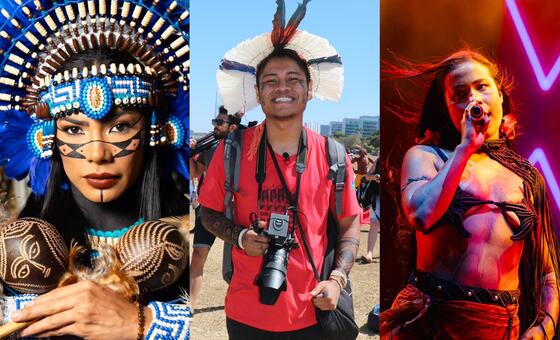
As climate change reshapes Indigenous lands, Brazil's young native creators are using social media, music, photography, and dance to fight for their rights and preserve their culture.
As climate change reshapes Indigenous lands across Brazil, a new generation of the country's original inhabitants is stepping into the spotlight of resistance. They're watching temperatures climb, destructive fires rage, ancestral territories slip away, and familiar food sources vanish. But this same era has opened up spaces in the digital world where social media, music, photography, and dance form a powerful kind of protest.
This isn't just about survival anymore. It's about reclaiming narratives, preserving culture, and building a future on their own terms. And the tools they're using might surprise you.
### The Climate Crisis Hits Home First
For Indigenous communities in Brazil, climate change isn't a distant statistic. It's the river that's drying up. It's the forest that's burning closer to home each year. It's the crops that no longer grow the way they used to.
- Rising temperatures are altering rainfall patterns, making traditional farming unpredictable.
- Wildfires, often started illegally for land clearing, are destroying habitats and sacred sites.
- Deforestation is fragmenting territories, cutting off migration routes for animals and access to medicinal plants.
These aren't abstract problems. They're everyday realities that force families to make impossible choices about where to live and how to feed their children. The older generation remembers a different landscape. The younger generation is determined to fight for what's left.
### Art as a Weapon of Resistance
Here's the thing about modern resistance: it doesn't always look like a protest march. Sometimes it looks like a viral dance video. Sometimes it's a striking photograph shared across borders. Sometimes it's a song in an Indigenous language that charts a million streams.
The youth of Brazil's Indigenous nations have embraced digital creativity as a way to amplify voices that have been silenced for centuries. They're not waiting for permission to speak. They're building their own platforms.
Social media has become a megaphone. A single post about land rights can reach millions of people in minutes. A short video showing the beauty of traditional rituals can shift perceptions faster than any government report.
### Music, Photography, and Dance: More Than Just Expression
Let's break down why these art forms matter so much in this fight.
**Music** carries memory. Traditional songs encode knowledge about seasons, plants, and histories. By recording and sharing these songs online, young artists ensure they survive. They're also blending traditional rhythms with modern genres, creating something entirely new that speaks to both their heritage and their present.
**Photography** offers proof. When outsiders control the images of Indigenous life, they control the story. By picking up cameras themselves, these young creators show the world the reality of their communities—the beauty, the struggle, the resilience. A single powerful image can humanize an issue that statistics can't capture.
**Dance** embodies connection. Many dances tell stories of creation, hunting, or healing. Performing them publicly, whether in person or online, is an act of cultural assertion. It says, "We are still here. Our traditions are alive."
### Building a Digital Bridge Between Generations
One of the most hopeful developments is how this digital movement is connecting generations. Elders hold the knowledge, but they often lack the technical skills to share it widely. Young people have those skills, but they need the guidance and wisdom of their elders to ensure the content is authentic and respectful.
This creates a beautiful partnership. Grandparents teach songs and stories. Grandchildren record them, edit them, and share them with the world. The result is a living archive that grows every day.
> "We're not just preserving our culture for ourselves. We're sharing it so the world understands who we are and what we're fighting for." — a sentiment echoed by many young Indigenous creators
### The Road Ahead
The challenges remain enormous. Legal battles over land rights continue. Political pressure threatens hard-won protections. Economic pressures push some families off their ancestral lands entirely.
But there's a new energy in the air. A generation that grew up with smartphones and social media is refusing to be invisible. They're using every tool at their disposal to demand recognition, respect, and justice.
Art won't solve everything. But it's opening doors, changing minds, and building solidarity across borders. And in a world that often looks away from uncomfortable truths, that's no small thing.
### What This Means for the Future
The story of Brazil's Indigenous youth is ultimately about hope. It's about finding strength in creativity when traditional avenues are blocked. It's about using the tools of the modern world to protect ancient ways of life.
As climate change continues to redraw maps and reshape ecosystems, these young voices will only grow more important. They're not just the future of their communities. They're the future of environmental stewardship, cultural preservation, and social justice.
And they're just getting started.