How Brazil's Indigenous Youth Are Using Art to Fight for Their Future
William Brown ·
Listen to this article~5 min
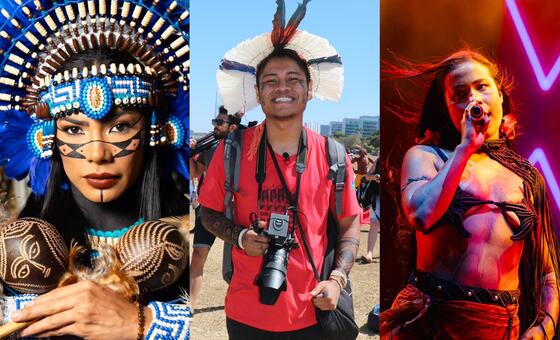
Brazil's Indigenous youth are turning to music, photography, and dance to fight climate change and defend their ancestral lands. Discover how art is becoming their most powerful tool of resistance.
Climate change is rewriting the map of Brazil. For the country's Indigenous communities, that means hotter days, longer dry seasons, and fires that tear through ancestral lands with terrifying speed. Traditional food sources are vanishing, and the ground beneath their feet feels less stable than it ever has.
But here's the thing about a crisis: it often brings out the most creative resistance. A new generation of Indigenous Brazilians is stepping into that gap, not with weapons or political slogans alone, but with cameras, microphones, and dance floors. They're using art to reclaim their narratives, assert their rights, and remind the world — and themselves — that their cultures are very much alive.
### The Digital Frontier as a New Territory
For decades, the fight for Indigenous rights in Brazil was fought in the courts, in the streets, and sometimes in the shadows. Today, it's also being fought on Instagram, TikTok, and Spotify. Social media has become a kind of digital territory — a space where young Indigenous creators can bypass traditional media gatekeepers and speak directly to millions.
This shift matters more than you might think. When a young Guarani photographer posts an image of her grandmother weaving a basket, she's not just sharing a pretty picture. She's documenting a living culture, challenging stereotypes, and building a visual archive that future generations can look back on. When a Xavante rapper drops a track about deforestation, he's turning grief into rhythm, and rhythm into awareness.
### Music, Photography, and Dance as Tools of Resistance
Let's break down what this artistic resistance actually looks like in practice:
- **Music:** Indigenous artists are blending traditional chants with hip-hop, electronic beats, and reggaeton. The result is a sound that's both rooted in ancient traditions and unmistakably modern. These songs travel far beyond village boundaries, carrying messages about land rights and cultural pride.
- **Photography:** Young Indigenous photographers are documenting their own communities on their own terms. For too long, outsiders controlled the images of Indigenous life. Now, the lens is in their hands, and the stories they tell are more honest, more intimate, and more powerful.
- **Dance:** Traditional dances that were once performed only in ceremonial settings are now being adapted for social media challenges and live performances. This isn't dilution — it's adaptation. Each view, like, and share becomes a small act of cultural preservation.
### Why This Generation Is Different
What makes this moment unique isn't just the tools available. It's the mindset. Older generations fought for survival and recognition. This younger generation grew up with smartphones and internet access, and they understand the power of visibility in a way their ancestors couldn't have imagined.
They're also more connected to each other. An Indigenous artist in the Amazon can collaborate with one in the Atlantic Forest without ever meeting face to face. They share strategies, support each other's campaigns, and build a pan-Indigenous identity that crosses tribal lines.
That doesn't mean the challenges have disappeared. Far from it. Land invasions continue, illegal mining poisons rivers, and government policies often swing against Indigenous rights. But art offers something that legal battles alone cannot: a way to shift public opinion, inspire solidarity, and keep hope alive.
### A New Chapter in an Old Story
Resistance isn't new to Brazil's Indigenous peoples. They've been resisting colonization, displacement, and erasure for over 500 years. What's new is the medium. What's new is the speed. What's new is the reach.
When a young woman from the Munduruku people posts a video of herself dancing in traditional regalia to a viral song, she's doing more than entertaining. She's saying, "We are here. We are not a footnote in history. We are the present, and we are the future."
That message is getting through. International audiences are paying attention. Allies are amplifying these voices. And slowly, the conversation around Indigenous rights in Brazil is shifting from one of victimhood to one of agency.
### The Road Ahead
None of this is easy, and no one is pretending it is. The fires still burn. The land still shrinks. The threats remain very real. But there's something undeniably powerful about watching a generation pick up a camera instead of a weapon, and choose art as their shield.
It's a reminder that resistance doesn't always look like protest marches. Sometimes, it looks like a song shared a thousand times. Sometimes, it looks like a photograph that makes the world stop and really see. And sometimes, that's exactly what's needed to change the course of history.