Brazil's Indigenous Youth Are Turning to Art to Fight for Their Future
Pekka Laine ·
Listen to this article~4 min
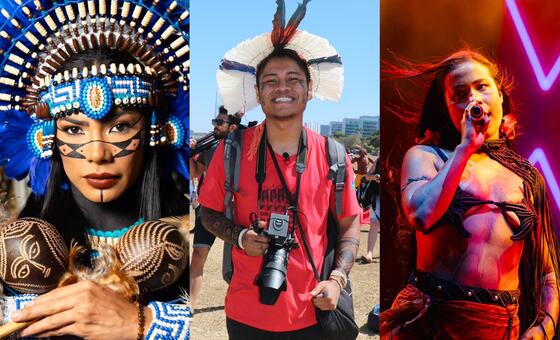
Brazil's Indigenous youth are turning to art and digital media to resist climate change and cultural erasure. Music, photography, and dance become powerful tools for survival.
The Amazon is changing fast, and the people who have called it home for thousands of years are feeling it first. Rising temperatures, brutal wildfires, and the slow disappearance of ancestral lands are no longer distant threats—they're daily realities. But here's the thing: a new generation of Indigenous Brazilians isn't just standing by. They're picking up cameras, microphones, and paintbrushes to push back.
For these young creators, art isn't just expression—it's survival. It's a way to document what's being lost, to demand what's owed, and to build a bridge between ancient traditions and a digital world that's finally paying attention.
### The Ground Is Shifting Beneath Their Feet
Climate change isn't a debate where these communities live. It's a lived experience. Rivers that once ran strong now run shallow. Forests that provided food and medicine are turning to tinder. Elders talk about seasons that no longer behave the way they used to, and younger generations are left to piece together a future from a landscape that's literally changing shape.
The result is a kind of grief that's hard to put into words. But that's exactly where art steps in.
- Temperature records keep falling, with some regions seeing average highs climb several degrees Fahrenheit over the past decade
- Wildfire season now stretches months longer than it did a generation ago, consuming millions of acres of forest each year
- Traditional food sources like certain fruits, game, and fish are becoming scarcer, forcing communities to adapt or go without
These aren't abstract statistics. They're the everyday backdrop for a generation trying to hold onto its identity.
### Digital Tools, Ancient Voices
Here's the part that's genuinely exciting: the same forces that are disrupting the natural world have also opened up new spaces for resistance. Social media, streaming platforms, and affordable cameras have given Indigenous youth something their parents never had—a direct line to the rest of the world.
A teenager in a remote village can now share a dance, a song, or a photograph with millions of people. That's not just visibility; it's power. It's the ability to tell their own story on their own terms, without filters from outsiders who've historically gotten it wrong.
Music is leading the charge. Young artists are blending traditional rhythms with contemporary beats, creating something that feels both timeless and urgent. Photography is another powerful tool—capturing both the beauty of what remains and the scars of what's been lost. Dance, too, has become a form of protest, with movements that carry centuries of meaning now performed for global audiences.
### More Than Just Aesthetics
This isn't art for art's sake. Every song, every frame, every step is a claim to space and a refusal to disappear. When a young Indigenous woman posts a photo of her grandmother's weaving patterns, she's not just sharing a pretty picture. She's saying: this knowledge matters, this culture matters, and we're still here.
That message is landing. International attention is growing, and with it, pressure on governments and corporations to reconsider their actions. It's slow going, sure, but the conversation has shifted in ways that would have been unthinkable even a decade ago.
### What Comes Next
The road ahead is long, and no amount of hashtags will bring back a burned forest or a poisoned river. But there's something quietly powerful about watching a generation refuse to be erased. They're not waiting for permission. They're not asking nicely. They're creating, documenting, and sharing—and in doing so, they're building a movement that's as resilient as the people behind it.
Maybe that's the real story here. Not just the loss, but the response. Not just the crisis, but the creativity that rises to meet it. The young Indigenous people of Brazil are showing us what resistance looks like in the twenty-first century, and honestly, it's a beautiful thing to witness.