How Brazil's Indigenous Youth Are Using Art to Fight for Their Land
Jennifer Miller ·
Listen to this article~4 min
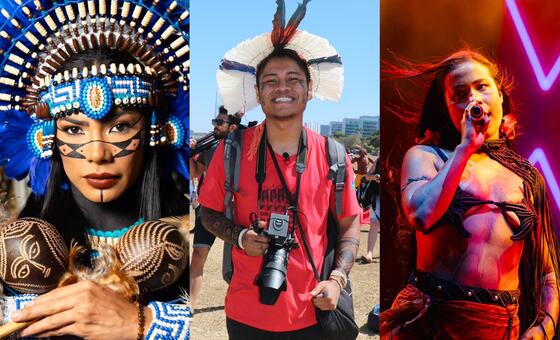
Brazil's Indigenous youth are turning to social media, music, photography, and dance to fight climate-driven land loss. Here's how creative resistance is reshaping their struggle.
The Amazon is changing, and not in ways anyone hoped for. Temperatures are climbing, wildfires are tearing through once-lush forests, and ancestral territories are shrinking. For Brazil's Indigenous communities, this isn't a distant headline—it's life happening right now. But here's the thing: a new generation isn't just mourning what's being lost. They're picking up cameras, microphones, and paintbrushes, and they're pushing back with everything they've got.
For decades, Indigenous resistance meant physical protests, legal battles, and occupying land. Those fights still matter, of course. But today's young leaders are adding a new weapon to the arsenal: digital art. Social media, music, photography, and dance have become more than creative outlets—they're lifelines. They carry stories that mainstream media often ignores and broadcast them directly to the world.
### Why Art Matters More Than Ever
Here's what people outside Brazil often miss: Indigenous art isn't just decoration. It's documentation. Every song, every photograph, every dance step records a way of life that's under threat. When a young Kayapó woman posts a video of her grandmother weaving a basket, she's not just sharing culture—she's saying, "This still exists. This matters. And we're still here."
That kind of visibility is powerful. It builds solidarity across borders and generations. It also puts pressure on policymakers who'd rather look away. When your phone buzzes with a viral video of a protest dance set to traditional beats, it's harder to pretend everything's fine.
### The Digital Stage
Social media has leveled the playing field in ways that would've been unthinkable twenty years ago. Back then, telling your story meant hoping a journalist would listen. Now, a young Indigenous artist can reach millions of people from a village along the Xingu River. No gatekeepers. No filters. Just raw, unfiltered truth.
Some use Instagram to document the changing landscape—side-by-side photos showing what a river looked like five years ago versus today. Others create music that blends ancestral chants with contemporary beats, making tradition feel urgent and alive. Photographers capture the quiet moments: a child learning to fish, an elder's weathered hands, the smoke on the horizon that signals another fire.
Dance crews are taking over TikTok, turning traditional movements into viral challenges. It might seem lighthearted, but there's a serious undercurrent. Each video is a reminder that these cultures aren't frozen in time. They're evolving, adapting, and refusing to disappear.
### What's at Stake
Let's be clear about what's driving this urgency. Climate change isn't a future threat for these communities—it's happening now. Rainfall patterns have shifted, making planting seasons unpredictable. Fish populations are dwindling in polluted rivers. Wildfires that once came every few years now arrive with terrifying frequency.
And when the land suffers, so does everything attached to it. Food sources vanish. Medicinal plants disappear. Sacred sites become unrecognizable. For Indigenous peoples, land isn't property—it's identity. Losing it isn't just a practical problem; it's a spiritual and cultural rupture.
### The Road Ahead
There's no easy fix here. Legal victories matter, but they take years. Climate policy is crucial, but it moves slowly. Art won't stop a wildfire or restore a polluted river. What it can do is shift consciousness. It can make people care enough to demand change.
That's why this generation's creative resistance matters so much. They're not waiting for permission to speak. They're building their own platforms, telling their own stories, and inviting the rest of us to listen. The least we can do is pay attention—and maybe share what we see.