Why This Ebola-Like Outbreak Is Moving Faster Than Ever Before
Sarah Atkinson ·
Listen to this article~4 min
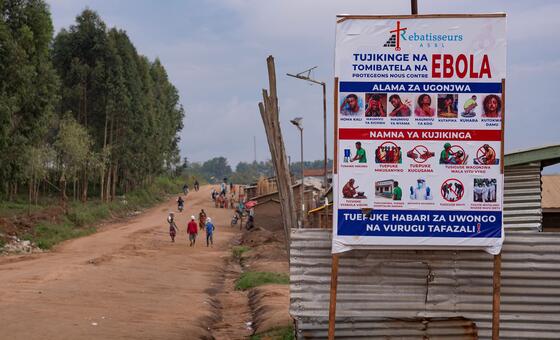
WHO Director-General Tedros warned Tuesday that the Ebola epidemic driven by the Bundibugyo virus in the DRC is spreading faster than any previous outbreak—and remains a serious global health threat.
When the World Health Organization sounds the alarm, it's worth paying attention. On Tuesday, WHO Director-General Tedros Adhanom Ghebreyesus delivered a stark warning: the Ebola epidemic fueled by the rapid spread of the Bundibugyo virus in the Democratic Republic of Congo (DRC) is not under control. And here's the unsettling part—it's moving faster than any previous Ebola outbreak we've seen.
That's not hyperbole. That's a direct statement from one of the most authoritative voices in global health. So what does this mean for you, for travelers, and for the broader international community? Let's break it down without the panic, but with the clarity this situation deserves.
### What Is the Bundibugyo Virus, Anyway?
First things first: Bundibugyo is one of the lesser-known species of the Ebola virus. It first appeared in Uganda back in 2007, and it's named after the district where it was identified. While it's not the same strain that caused the devastating West Africa outbreak in 2014, it's still part of the same family—and it's just as capable of causing severe illness and death.
What makes this particular outbreak different is the speed. The WHO has noted that the virus is spreading faster than any previous Ebola epidemic. That's a red flag for health officials because it means containment measures are struggling to keep pace.
### Why Is This Outbreak Spreading So Quickly?
Several factors are at play here, and they're not all biological. In fact, some of the biggest challenges have nothing to do with the virus itself:
- **Remote and conflict-affected regions**: The DRC has been dealing with armed conflict in parts of the country, making it incredibly difficult for health workers to reach affected communities.
- **Mistrust of health authorities**: In some areas, locals are skeptical of foreign medical teams, which slows down reporting and treatment.
- **Limited infrastructure**: Roads are poor, clinics are understaffed, and diagnostic labs are few and far between.
- **Cross-border movement**: People move across borders for trade and family reasons, and the virus doesn't respect checkpoints.
These challenges create a perfect storm. The virus gets a head start, and by the time health officials catch up, it's already moved to new communities.
### What Does This Mean for Global Health Security?
Tedros didn't mince words when he said this outbreak continues to pose a serious threat to international health. That's not just diplomatic language—it's a practical warning. In our interconnected world, a virus in the DRC is only a few flights away from any major city in the United States.
That doesn't mean you should cancel your travel plans or panic-buy supplies. But it does mean that global health systems need to stay vigilant. Surveillance, rapid response teams, and vaccine research are all part of the frontline defense.
### The Role of Vaccines and Treatments
Here's some good news: we're not starting from zero. Over the past decade, scientists have developed vaccines and treatments for Ebola that weren't available during earlier outbreaks. The rVSV-ZEBOV vaccine has proven effective against the Zaire strain, and researchers are working on versions that target other strains, including Bundibugyo.
But vaccines only work if they reach the people who need them. And in a region where logistics are a nightmare, that's easier said than done. Cold chains, trained staff, and community engagement are all essential pieces of the puzzle.
### What Should You Take Away From This?
If you're a traveler or just someone who follows global health news, here's the bottom line: this outbreak is serious, but it's not unstoppable. The WHO's warning is a call to action, not a doomsday prophecy. It's a reminder that infectious diseases don't care about borders, and that global cooperation isn't optional—it's essential.
So keep an eye on the news, support organizations working on the ground if you can, and remember that public health is a collective effort. The faster we respond, the sooner this outbreak can be contained. And that's something worth caring about, no matter where you call home.