Can Clean Energy Infrastructure Actually Help Restore Degraded Land?
William Miller ·
Listen to this article~4 min
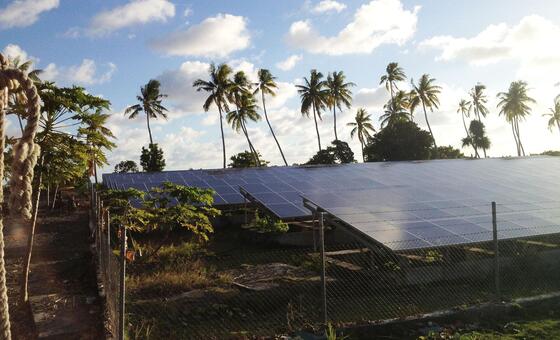
Can solar farms and wind turbines actually heal the soil? Experts at a UN conference in Mongolia say yes, and here's how clean energy projects are restoring degraded land worldwide.
What if the very infrastructure we build to fight climate change could also heal the ground beneath it? It sounds almost too good to be true, right? But at a recent United Nations conference in Ulaanbaatar, Mongolia, experts gathered to discuss exactly that possibility. They explored how renewable energy projects can do double duty, not just generating power but actively restoring damaged ecosystems.
### The Big Question: Energy vs. Land
Here's the tension we're dealing with. Solar farms and wind turbines need space. Lots of it. A single utility-scale solar installation can cover hundreds of acres. That footprint often raises eyebrows among conservationists who worry we're trading one environmental problem for another. But what if we flipped that thinking? Instead of seeing renewable energy as a land hog, what if we saw it as a land manager?
The conversation in Ulaanbaatar centered on this exact paradigm shift. It's not about choosing between clean power and healthy soil. It's about finding ways to make them work together, creating a win-win scenario that benefits both the climate and the land.
### Real-World Examples That Prove It Works
During the conference, participants shared success stories from around the globe. These aren't theoretical ideas. These are projects that are already making a difference on the ground, and they're pretty inspiring.
- **Solar Grazing:** In the United States, sheep are being used to keep vegetation down at solar farms. It's a brilliant, low-tech solution. The sheep get to graze, the land gets managed naturally, and farmers get a new revenue stream.
- **Wind Farm Restoration:** In some regions, wind farm developers are going beyond just building turbines. They're actively restoring native grasslands and wildflower habitats on the surrounding land, creating a haven for pollinators.
- **Agrivoltaics:** This is a fancy term for a simple concept. You grow crops underneath or between solar panels. The panels provide shade, which can help plants thrive in hot, dry climates. It's a way to produce both food and energy on the same piece of land.
These examples show that we don't have to draw hard lines between energy production and land conservation. The two can be complementary, not competitive.
### Why This Matters for the United States
Now, you might be thinking, "That's great for Mongolia, but what does it mean for me?" Well, it actually matters a lot. The United States has massive amounts of land that could benefit from this kind of thinking. From abandoned farmland in the Midwest to degraded rangelands in the West, we have plenty of opportunities to pair renewable energy with restoration efforts.
Think about it. Many of the best locations for solar and wind are in rural areas. These are often places that have seen economic decline or land degradation over the years. A well-planned renewable project could bring jobs, tax revenue, and a healthier landscape to these communities. It's a chance to revitalize not just the land, but the local economy too.
### The Path Forward Isn't Simple, But It's Promising
Of course, this isn't a silver bullet. There are real challenges to overcome. Permitting can be a nightmare. There are questions about how to balance energy needs with wildlife protection. And not every piece of land is suitable for every type of project. It takes careful planning, community input, and a willingness to think outside the traditional boxes.
But the conversation in Ulaanbaatar showed that the momentum is building. Experts, policymakers, and industry leaders are starting to see the potential. They're realizing that the clean energy transition isn't just about what we take from the land; it's about what we can give back. The idea that we can build a sustainable future while simultaneously healing the earth is a powerful one. It's a vision that turns a potential conflict into a partnership, and that's something worth getting excited about. The question isn't just whether we can do it, but whether we're bold enough to try.