Can Clean Energy Projects Actually Help Restore the Land They Sit On?
Jan de Vries ·
Listen to this article~5 min
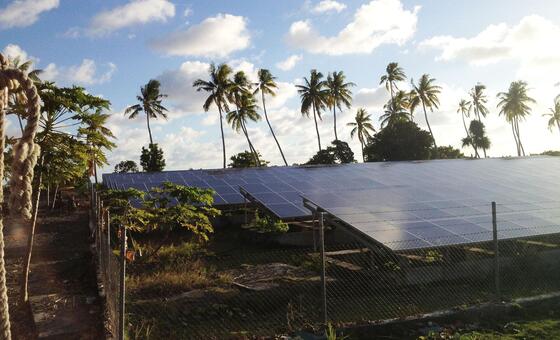
Can renewable energy infrastructure actually heal the land beneath it? Experts in Ulaanbaatar say yes. Discover how solar farms and wind turbines are restoring soil and boosting biodiversity.
What if the infrastructure we build to fight climate change could also heal the very ground beneath it? That's the question experts tackled at the United Nations Convention to Combat Desertification, held recently in Mongolia's capital, Ulaanbaatar. And the answers might surprise you.
It's easy to think of solar farms and wind turbines as just machines taking up space. But a growing movement suggests these projects can do double duty. Instead of simply parking renewable energy equipment on degraded land, we can design installations that actively restore soil health, boost biodiversity, and support local communities. It's a win-win that's starting to gain serious traction.
### The Hidden Cost of Going Green
Let's be honest: renewable energy isn't free in terms of land. A typical utility-scale solar farm needs about 5 to 10 acres per megawatt. That adds up fast. Wind farms spread even wider, though they leave more room for other uses between turbines.
Here's the catch: if we're not careful, we could solve one environmental crisis while worsening another. Poorly planned projects can compact soil, disrupt wildlife habitats, and displace farming communities. That's the opposite of what we want.
But here's the good news: the conversation in Ulaanbaatar focused on flipping that script. Experts shared real-world examples where renewable energy and land restoration go hand in hand. These aren't theoretical ideas—they're working projects with measurable results.
### Solar Farms That Bring Life Back
One standout example comes from the United States. In Massachusetts, a community solar project transformed an old landfill into a thriving pollinator meadow. The panels sit elevated, allowing native wildflowers to grow underneath. Bees, butterflies, and birds have returned. The soil is healthier. And the town gets clean power.
Something similar is happening in Minnesota, where "solar grazing" has taken off. Sheep graze beneath the panels, keeping vegetation short and eliminating the need for gas-powered mowers. The sheep fertilize the soil naturally, and the land stays productive.
- Sheep reduce maintenance costs by up to 70%
- Pollinator-friendly ground cover improves soil organic matter within 3 years
- Elevated panels allow rainwater to reach the ground evenly
These aren't isolated cases. Similar projects are popping up in Germany, India, and parts of Africa. The pattern is clear: when we design with nature in mind, everyone benefits.
### Wind Power and Ranching: A Surprising Partnership
Wind turbines often get criticized for taking up space. But in the Great Plains, ranchers have found that turbines and cattle can coexist beautifully. The turbines' foundations create small microhabitats, and the access roads improve ranch management.
One study found that prairie grasses actually thrive around turbine bases. The concrete structures catch rainwater and create shade, helping plants survive dry spells. Cattle graze right up to the bases, and the land stays in production.
> "We're not choosing between energy and land," said one conference speaker. "We're learning to have both."
That quote captures the spirit of the whole conversation. It's not about sacrificing one goal for another. It's about being smart enough to design systems that serve multiple purposes at once.
### What This Means for the United States
For professionals working in renewable energy, this is more than an interesting trend. It's a competitive advantage. Projects that include land restoration components often face less community opposition. They can qualify for additional grants and incentives. And they leave a legacy that goes beyond kilowatt-hours.
If you're planning a new installation, consider these practical steps:
- Conduct a soil health assessment before breaking ground
- Choose native plant species for ground cover
- Engage local farmers or ranchers early in the process
- Design drainage systems that prevent erosion
- Monitor biodiversity metrics alongside energy output
These aren't expensive add-ons. Many of them pay for themselves through reduced maintenance costs and improved public relations.
### The Road Ahead
The Ulaanbaatar conference ended with a clear message: land restoration and renewable energy aren't competitors. They're partners. The technology exists. The examples exist. What's needed now is broader adoption.
For professionals in the field, this is an opportunity to lead. By incorporating restoration principles into every project, you can deliver clean energy while leaving the land better than you found it. That's the kind of legacy worth building.
The next time someone asks whether renewables can help restore land, you'll know the answer. It's not just possible—it's already happening. And the best part is, we're just getting started.