Can Clean Energy Projects Restore the Land They Sit On?
Jessica Albright ·
Listen to this article~5 min
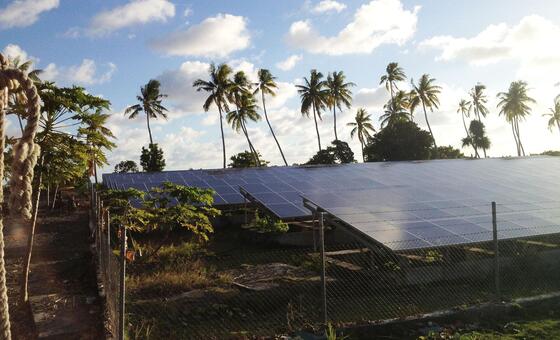
Can renewable energy infrastructure actually heal degraded land? Experts at the UN desertification conference say yes, and real projects are proving it works.
What if the very infrastructure we need to fight climate change could also heal the ground beneath it? That's the question experts tackled at the United Nations conference on desertification in Ulaanbaatar, Mongolia. They weren't just talking theory either. Real-world examples from across the globe are showing that renewable energy and land restoration can actually work together, not against each other.
For too long, we've treated these as competing priorities. You either build solar farms or you protect the soil. But that's a false choice. The conversation in Mongolia flipped the script, exploring how we can do both at once. And honestly, the results are more promising than most people realize.
### Why Land Matters in the Clean Energy Equation
Here's the thing about renewable energy: it takes up space. A utility-scale solar farm can cover hundreds of acres. Wind turbines need room to breathe. That land has to come from somewhere, and often it's farmland or natural habitat that gets sacrificed.
But what if we flipped that trade-off? Instead of seeing land as a cost of clean energy, what if we saw it as a partner? That's the mindset shift happening in the industry right now.
Some key points from the discussions:
- Solar panels can provide shade that helps dry, degraded soil retain moisture
- Wind farms can coexist with grazing livestock, keeping grasslands healthy
- Energy infrastructure can fund long-term land restoration projects
- Dual-use approaches let farmers keep working land while hosting renewable installations
### Real Success Stories From Around the World
The conference wasn't short on examples. In parts of Africa, solar installations are being designed with built-in rainwater collection systems. The panels channel water to storage tanks, which then irrigate surrounding vegetation. It's a simple idea, but the impact is massive.
Other countries are experimenting with "agrivoltaics" - combining agriculture and solar power on the same plot. You grow crops under raised panels, and both systems thrive. The crops stay cooler, the panels run more efficiently, and the soil stays healthy.
In the United States, similar projects are popping up in states like Colorado and Minnesota. Farmers are finding they can lease a portion of their land for solar while continuing to grow hay or graze cattle on the rest. It's an extra revenue stream that also helps the land recover.
### The Challenges We Still Need to Solve
Now, it's not all sunshine and roses. There are real hurdles. For one thing, land restoration takes time. You don't just plant a few seeds and walk away. It's a years-long commitment, and energy developers aren't always patient.
There's also the question of who's responsible. If a solar company builds on degraded land, are they on the hook for restoring it? And what happens when the panels reach the end of their lifespan? These are open questions that need clear answers.
Local communities also need to be brought into the conversation early. If people feel like their land is being taken from them, no amount of environmental benefit will make up for it. The best projects are the ones where locals are genuine partners, not just bystanders.
### A Path Forward for the United States
For professionals in the U.S., this is more than just an interesting idea. It's a practical strategy. We have millions of acres of degraded land, from abandoned mine sites to overused farmland. Pairing clean energy development with restoration could address two problems at once.
Imagine converting an old strip mine into a solar farm that also supports native prairie grasses. Or turning a depleted ranch into a wind facility that helps the land recover its natural drainage patterns. These aren't pipe dreams. They're happening.
The key takeaway from Ulaanbaatar is that we don't have to choose between clean energy and healthy land. With thoughtful planning, we can have both. And that's an opportunity worth pursuing.
For anyone working in this space, the message is clear: start thinking about land as part of the solution, not just a resource to be used up. The technology exists. The examples are out there. What we need now is the will to make it happen on a larger scale.