Can Clean Energy Infrastructure Restore the Land It Sits On?
Amanda Miller ·
Listen to this article~5 min
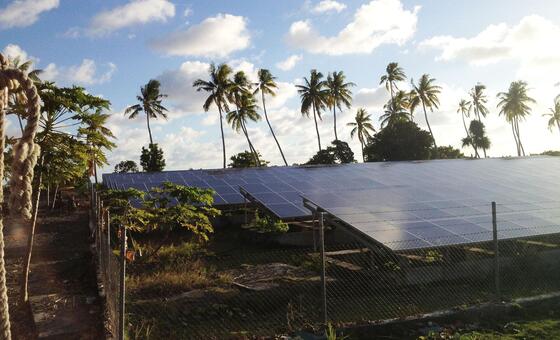
Clean energy infrastructure doesn't have to harm the land. Experts at the UN Desertification Conference in Ulaanbaatar explored how solar and wind projects can actively restore ecosystems, offering a win-win for climate and soil health.
What if the very infrastructure we build to fight climate change could also help heal the ground beneath it? That's a question experts tackled recently at the United Nations Conference on Combating Desertification in Ulaanbaatar, Mongolia. The conversation centered on a powerful idea: renewable energy development doesn't have to come at the cost of land health. In fact, it might be one of the most underrated tools we have for land restoration.
It's a refreshing twist on a familiar story. We usually hear about the trade-offs—solar farms taking up farmland, wind turbines disturbing habitats, and transmission lines slicing through open spaces. But what if we flipped that narrative? What if clean energy projects were designed from the ground up to restore the ecosystems they occupy?
### The Overlooked Connection Between Energy and Land
Land degradation is a massive problem worldwide. According to the UN, up to 40% of the planet's land is degraded, directly affecting half of humanity. Desertification, drought, and poor land management cost billions in lost agricultural productivity and ecosystem services every year. Meanwhile, the push for renewable energy is accelerating, and it demands a lot of space.
Here's the thing: we don't have to choose between clean energy and healthy land. The two can work together, and some countries are already proving it. At the conference, participants shared real-world examples where solar and wind projects have been paired with regenerative practices like managed grazing, native plant re-seeding, and water retention strategies.
### How Solar Farms Can Become Havens for Biodiversity
One of the most promising models is agrivoltaics—combining solar panels with agriculture or natural vegetation. Instead of sterile gravel lots under rows of panels, some projects now plant pollinator-friendly wildflowers, clover, and native grasses. These plants do more than look pretty; they stabilize soil, attract bees and butterflies, and improve water infiltration.
In dry regions, solar panels can actually create microclimates. They provide shade that reduces soil temperature and slows evaporation. That means more moisture stays in the ground, giving vegetation a fighting chance in arid landscapes. Some projects have reported measurable increases in soil organic matter within just a few years.
Wind farms are getting in on the action too. Turbine bases often disturb only a small footprint, leaving the rest of the land available for grazing or conservation. In some cases, developers have worked with local ranchers to maintain cattle grazing around turbines, which mimics the natural movement of herds and helps grasslands regenerate.
### What This Means for the United States
For Rezka professionals in the U.S., this conversation is more relevant than ever. The country is racing to expand solar and wind capacity, but land-use conflicts are becoming a real bottleneck. Rural communities often push back against large-scale projects, worried about losing farmland or open spaces.
But what if those projects came with a land-restoration bonus? That could change the equation entirely. Imagine a solar farm that also improves soil health, supports pollinators, and even creates new recreational opportunities. That's a much easier sell to local stakeholders.
Some U.S. projects are already leading the way. In Minnesota, for example, pollinator-friendly solar is becoming the norm, with state guidelines encouraging native vegetation under panels. In the Southwest, solar farms are being designed to capture rainwater and support desert ecosystems. These aren't just feel-good stories; they're practical models that can be scaled.
### The Path Forward: Policy, Design, and Collaboration
Making this work at scale requires a shift in how we plan energy projects. It's not just about picking a plot of land and installing panels. It involves:
- Conducting thorough site assessments to understand existing ecosystems
- Designing layouts that minimize ground disturbance and preserve natural drainage
- Choosing native plant species that support local wildlife and soil health
- Monitoring outcomes over time and adjusting management practices
- Engaging local communities and landowners as partners, not just hosts
Policy can help too. Incentives for dual-use projects, streamlined permitting for restoration-friendly designs, and funding for long-term monitoring would all accelerate this trend. The UN conference highlighted several countries where governments are already integrating land restoration into their energy strategies.
### A Win-Win We Can't Afford to Miss
The bottom line is simple: the transition to clean energy is happening, and it's going to require land. But that doesn't have to be a zero-sum game. With thoughtful design and a commitment to regeneration, the same acres can produce power and restore ecosystems at the same time.
For professionals working in this space, the opportunity is huge. Whether you're involved in project development, environmental consulting, or policy, there's a chance to be part of something that works for both the climate and the land. The examples shared in Ulaanbaatar are just the beginning. The real question isn't whether clean energy can restore land—it's whether we're bold enough to design it that way from the start.