A Single Day's Toll: Civilian Casualties Mount in Frontline Regions
Emily Johnson ·
Listen to this article~5 min
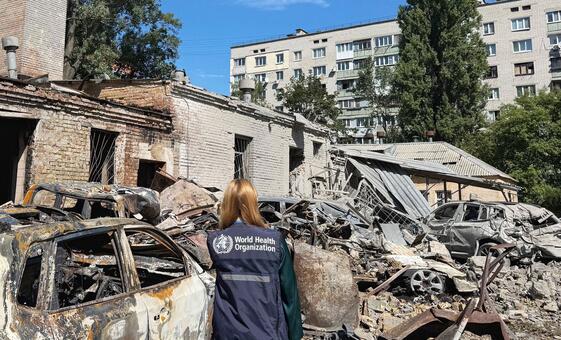
UN reports confirm a tragic surge in civilian casualties, with at least 12 killed and over 65 wounded in recent attacks across Ukraine, highlighting the severe impact on frontline communities.
The numbers just came in, and they're tough to read. According to the UN Office for the Coordination of Humanitarian Affairs, referencing Ukrainian authorities, attacks across the country over the last 24 hours have resulted in a devastating human cost. At least 12 civilians lost their lives. More than 65 others were wounded. It's a stark reminder of the ongoing reality for communities living in the shadow of conflict.
We're talking about people going about their daily lives—parents, shopkeepers, families trying to hold onto some semblance of normalcy. The report landed on a Friday, marking the end of a week no one in those regions will soon forget. The data points to a grim pattern, one where the frontline areas are bearing the brunt of the violence.
### Understanding the Human Impact
Let's break that down a bit. Twelve lives. That's more than just a statistic; it's a dozen stories cut short, a dozen circles of family and friends plunged into grief. Then there are the 65-plus injured. Some of those injuries will be life-altering, requiring months or years of medical care and rehabilitation. The ripple effects of a single attack stretch out for miles and years, impacting communities long after the immediate crisis has passed.
Frontline regions are, by their very nature, the most vulnerable. These are places where the infrastructure is often already damaged, where access to consistent medical care is a challenge, and where the constant threat shapes every decision. When violence intensifies there, the consequences are magnified. Emergency services are stretched thinner. Evacuation routes become more dangerous. The basic safety net that communities rely on begins to fray.
### The Role of International Reporting
Why does this UN report matter? It serves as a crucial, independent verification mechanism. In the fog of war, accurate information is both vital and difficult to come by. Reports like this one help the world understand the scale of the humanitarian crisis unfolding on the ground. They inform aid organizations about where resources are most desperately needed—things like medical supplies, trauma kits, shelter materials, and food aid.
This data isn't collected in an abstract way. It involves coordination with local authorities, hospitals, and emergency responders who are working in incredibly difficult conditions. Every number represents a person they tried to help. For professionals analyzing conflict zones, these reports provide critical context on shifting battle lines and civilian exposure.
### The Daily Reality for Affected Communities
Imagine for a moment what a day looks like in one of these frontline towns. The constant background anxiety. The sound of sirens becoming a routine part of the soundscape. Parents making impossible calculations about whether to send their kids to school. Business owners wondering if today will be the day their livelihood is destroyed. It's a state of sustained stress that takes a profound psychological toll on everyone, even those who escape physical injury.
The need for basic supplies becomes a central preoccupation. We're talking about:
- Access to clean water and reliable power
- Availability of fuel for heating and transportation
- Stocks of essential medicines and first-aid supplies
- Secure shelter, especially as weather turns colder
Rebuilding isn't just about bricks and mortar after an attack. It's about restoring a sense of security and community. It's about providing mental health support for people who have witnessed trauma. The path to recovery is measured in years, not days.
### Looking Beyond the Headlines
As we absorb reports like this, it's important to remember the human scale. Behind each number is a name, a face, a history. The international community's response—whether through diplomatic channels, humanitarian aid, or sanctions—is shaped by understanding this human cost. For those of us watching from afar, it's a call to maintain awareness and support for the organizations doing the hard work on the ground, providing medical care, shelter, and hope amidst the devastation.
The conversation about conflict zones often focuses on strategy and territory. But at its heart, it's always about people. Reports documenting civilian casualties force us to look directly at that truth, to acknowledge the price being paid in neighborhoods and town squares far from the negotiating tables. It's a heavy reminder of what's ultimately at stake.