A Critical Crisis Unfolds: Colombia's Earthquake Aftermath and the Race for Access
Emily Brown ·
Listen to this article~4 min
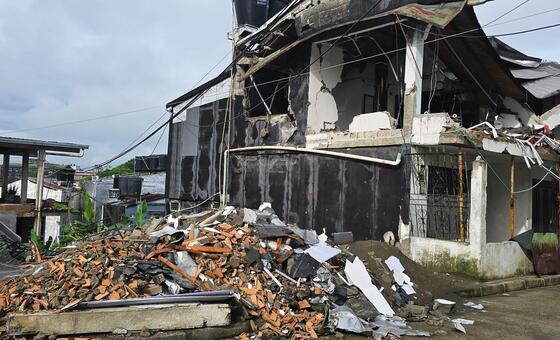
Ten days after a major earthquake in western Colombia, UN reports indicate 1.2 million people require urgent aid, with rescue teams still unable to access some isolated communities.
It's been over ten days since a powerful earthquake shook western Colombia, and the situation on the ground is far from resolved. According to the latest United Nations estimates, a staggering 1.2 million people are in urgent need of humanitarian assistance right now. That's a number so large it's hard to wrap your head around—it’s like the entire population of a major city suddenly left without basic necessities.
And here’s the truly heartbreaking part: rescue teams and aid missions still can't reach some of the hardest-hit communities. The clock is ticking, and for those isolated towns and villages, every hour feels like an eternity.
### The Scale of the Need
When we talk about 1.2 million people needing help, what does that actually look like on the ground? We're not just talking about a temporary inconvenience. This is about a fundamental lack of shelter, clean water, food, and medical care. Roads have been sheared off by landslides, bridges are gone, and communication lines are down. It creates a perfect storm where delivering aid becomes a logistical nightmare.
Imagine trying to coordinate a massive relief effort when you can't even get a clear picture of who needs what and where they are. That’s the reality facing organizations on the front lines right now. They’re working with incomplete maps and fragmented reports, all while knowing that lives depend on their speed and accuracy.
### The Challenge of Inaccessible Terrain
Why is access still such a huge problem more than a week later? Colombia’s western region is known for its rugged, mountainous terrain. Some of these communities are remote on a good day. After a major seismic event, those challenging landscapes become outright dangerous and impassable.
- Landslides have blocked key mountain passes, some with debris piles over 30 feet high.
- River valleys are flooded, cutting off the usual routes for aid convoys.
- Aftershocks continue to rattle the region, making it unsafe for heavy machinery to clear paths.
It’s a race against time, geography, and the elements. Helicopter airlifts are often the only option, but they're expensive, weather-dependent, and can only carry so much. It’s a piecemeal solution for a massive problem.
### The Human Cost of Delay
Let's be clear—this isn't just about statistics. Every number represents a person, a family waiting for help that hasn't arrived. There's a quote from a local relief coordinator that sticks with me: "We know they're out there. We can see the smoke from fires, but the roads to them are rivers of mud." That sense of helplessness, of being so close yet so far, is gut-wrenching for the responders.
The delay means infections go untreated, children go hungry, and the trauma of the disaster deepens. The psychological toll on survivors, wondering if the world has forgotten them, is immense. Recovery isn't just about rebuilding structures; it's about restoring a sense of security and hope.
### What Comes Next?
The international community has mobilized, but the bottleneck remains physical access. This crisis highlights a critical, ongoing challenge in disaster response: our reliance on infrastructure that disasters themselves destroy. It forces a tough conversation about prepositioning supplies, investing in more robust local response networks, and exploring new technologies for last-mile delivery in impossible conditions.
For now, the focus is sheer grit and determination—finding any path, any way in. The story here isn't just the earthquake; it's the enduring struggle that follows. It's a stark reminder of nature's power and the fragility of the systems we build. The resolve of the Colombian people and the aid workers battling to reach them is the real story, one that will continue long after the initial headlines fade.