After the Colombia Earthquake: How Cali's Community Is Digging Through the Rubble Together
Emily Moore ·
Listen to this article~4 min
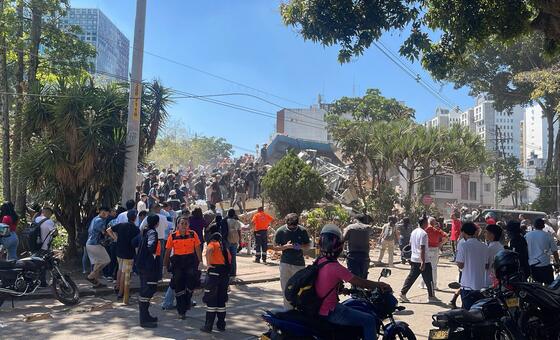
In Cali, Colombia, hundreds are still waiting for news of loved ones after a devastating earthquake. Rescue teams and everyday citizens are digging through rubble together, showing what community solidarity really looks like in a crisis.
When the ground stopped shaking in Cali, Colombia, the silence that followed was almost as terrifying as the quake itself. In the hardest-hit neighborhoods, that silence was quickly replaced by a desperate sound: the scraping of hands against concrete and broken glass, as ordinary people started digging through the rubble before the official rescue teams even arrived.
It's been days now, and hundreds of families are still waiting for news about missing relatives, friends, and neighbors. The uncertainty is the worst part. You can see it in the faces of the people gathered near the collapsed buildings—the way they flinch every time a phone rings, hoping it's good news, fearing it isn't.
### The Race Against Time in Cali's Ruins
Professional rescue crews are working around the clock, using specialized equipment and trained dogs to detect any sign of life beneath the debris. But in the immediate aftermath, it wasn't the professionals who were first on the scene. It was the neighbors. The shopkeepers. The kids who had just run out of school.
They formed human chains, passing buckets of rubble from hand to hand. Some used their bare hands because they didn't have gloves. Others grabbed shovels, crowbars, or anything else they could find. This kind of grassroots response is something you can't train for—it's pure instinct, driven by the need to help someone you've known your whole life.
> "We couldn't just stand there and wait," one local volunteer told us. "If it was my family under there, I'd want someone to do the same for me."
### Why Community Response Matters as Much as Professional Rescue
In the first 72 hours after an earthquake, the survival rate drops dramatically. That's why the actions of everyday citizens are so critical. Professional teams are stretched thin, and in a city like Cali, there are only so many resources to go around.
Here's what the community response has looked like so far:
- **Search parties**: Locals have organized themselves into small teams, each assigned to a specific block or building, systematically checking for voices or movement.
- **Medical triage**: Nearby clinics and even private homes have turned into makeshift treatment centers, treating minor injuries so hospitals can focus on the critical cases.
- **Supply drops**: People are bringing water, food, and blankets to the rescue sites, ensuring that both survivors and workers stay hydrated and fed.
- **Emotional support**: Volunteers are simply sitting with families, holding space for their grief and anxiety, which is just as important as physical aid.
### The Emotional Toll on Everyone Involved
Let's be honest—this is exhausting. Not just physically, but emotionally. The rescue workers are running on adrenaline and coffee, and the volunteers are pushing through pain they'll probably feel for weeks. The families waiting for news are in a state of suspended animation, unable to eat, sleep, or think about anything else.
But here's the thing about community in times of crisis: it shows you what people are made of. When the dust settles and the cameras leave, it's these quiet acts of solidarity that will carry the city through the long recovery ahead. The rebuilding will take months, maybe years. But the connections forged in these ruins? Those tend to last a lifetime.
### What You Can Do to Help From Afar
If you're reading this from outside Colombia, you might feel helpless. But there are ways to support the relief efforts without being on the ground:
- **Donate to vetted relief organizations** that are already operating in the affected areas.
- **Spread awareness** about the situation, but make sure you're sharing accurate information from reliable sources.
- **Check on any Colombian friends or colleagues** you might have—a simple message of support can mean the world right now.
For now, Cali is holding its breath. But it's not holding still. Every hour, more people show up to help, to dig, to wait, and to hope. And in that collective effort, there's a kind of resilience that no earthquake can ever take away.