Colombia Earthquake: How Cali Residents Are Digging Through Rubble Together
James Davis ·
Listen to this article~4 min
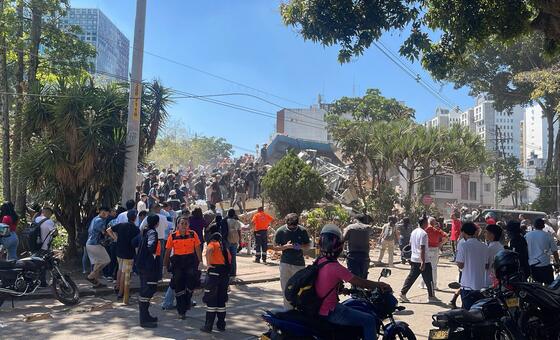
In Cali, Colombia, residents are digging through earthquake rubble with bare hands alongside rescue teams, waiting for news of the missing and proving that solidarity can shine even in the darkest hours.
When the ground stopped shaking in Cali, Colombia, the silence didn't last long. Within minutes, the sounds of shouting, crying, and scraping filled the air. Hundreds of people are still waiting for news about missing relatives, friends, and neighbors. Rescue teams are searching for signs of life beneath collapsed buildings, but here's the thing that's hard to put into words: ordinary residents are right there beside them, often digging through the debris with their bare hands.
It's the kind of scene that makes you stop and think about what people do when everything falls apart. You'd expect chaos, and sure, there's plenty of that. But what stands out is the solidarity. Neighbors who barely knew each other are now working side by side, passing water, lifting chunks of concrete, and shouting updates to the rescue crews. It's raw, it's exhausting, and it's deeply human.
### The Scene on the Ground in Cali
Cali took a hard hit. Buildings that stood for decades are now piles of twisted metal and dust. The air is thick with grit, and the heat doesn't help—temperatures have been hovering around 90 degrees Fahrenheit, making every hour of work feel heavier. Rescue teams are using dogs, listening devices, and thermal cameras, but they can't be everywhere at once.
That's where the volunteers come in. Local residents have formed informal brigades, passing buckets of rubble down human chains. Some are using shovels, others have nothing but their hands and whatever gloves someone could spare. It's not efficient, but it's relentless.
Here's what's happening right now:
- Search teams are focusing on residential blocks where the collapse was most severe.
- Hospitals are treating minor injuries on site to keep emergency rooms free for critical cases.
- Community kitchens have popped up in parks, serving hot meals to survivors and rescuers alike.
- People are using social media to share photos of missing persons and coordinate supply drops.
### Why This Kind of Mutual Aid Matters
It's easy to wait for the government to fix things, but in the first 48 hours after a disaster, it's neighbors who save neighbors. Experts say that in earthquakes, most rescues happen within the first day—and many of those are done by everyday people, not professionals. That's not a knock on the official response; it's just reality. Help takes time to arrive, and the ground doesn't wait.
The solidarity in Cali isn't just about physical labor. It's about the psychological weight of knowing you're not alone. People are holding space for each other's grief, sharing food, and offering a place to sleep for those who lost everything. One woman I read about lost her apartment but spent the night helping a stranger find his dog. That's the kind of thing that doesn't make the news but defines a community.
### What You Can Do From Afar
If you're reading this from the United States and feeling helpless, you're not. Distant support matters more than you'd think. Cash donations to established relief organizations are the most effective way to help—they can buy supplies locally and avoid the logistics nightmare of shipping physical goods. Avoid sending clothes or canned food unless a specific organization asks for them; unsolicited items often end up as landfill.
Also, keep sharing verified information. Misinformation spreads fast in disaster zones, and a single false rumor about a safe location or a missing person can waste hours of rescue time. Stick to official channels and trusted local voices.
### The Road Ahead for Cali
Recovery won't be quick. Rebuilding homes, restoring power, and helping people process trauma takes months, if not years. But if there's one takeaway from Cali right now, it's that resilience is built on connection. The rubble will eventually be cleared, but the bonds forged in these desperate hours will last much longer.
For now, the digging continues. The waiting continues. And so does the hope, passed hand to hand through the dust and heat, one bucket at a time.