Colombia Earthquake: How Cali's Residents Are Digging Through the Rubble Together
Robert Wilson ·
Listen to this article~5 min
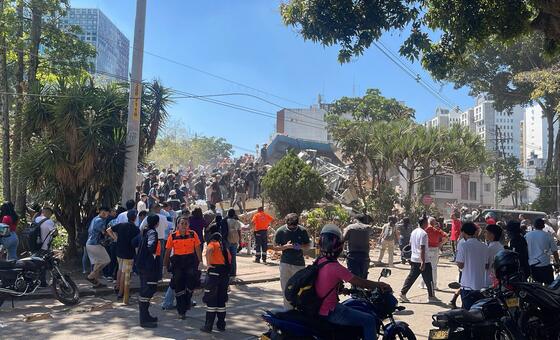
In Cali, Colombia, ordinary residents are digging through earthquake rubble with bare hands to find survivors. Here's how the city is coming together amid the ruins.
When the ground stopped shaking in Cali, the silence that followed was almost as terrifying as the tremors themselves. For hundreds of families, that quiet meant waiting—waiting for a phone to buzz, for a familiar voice to call out, for any sign that a loved one had made it through the earthquake that tore through Colombia's third-largest city. The official rescue teams are doing everything they can, but in neighborhoods where buildings collapsed like houses of cards, it's the everyday people who are leading the charge, often using nothing more than their bare hands.
### The Scene on the Ground in Cali
Cali wasn't the only city hit, but it's quickly becoming the symbol of both the destruction and the resilience. Blocks that once bustled with street vendors and schoolchildren now look like piles of broken concrete and twisted metal. Rescue workers, many of them volunteers who showed up without being asked, are navigating treacherous piles of debris. They're listening for knocks, for cries, for any sound that suggests someone is still alive beneath the wreckage.
It's slow, painstaking work. Every slab of concrete has to be lifted with care, because shifting the wrong piece could cause another collapse. Temperatures in the region have been hovering in the mid-80s Fahrenheit, making the physical labor even more exhausting. But the heat isn't stopping anyone.
### Neighbors Becoming First Responders
You don't need a uniform to be a hero. In Cali, that truth is playing out in real time. People who have never touched a rescue tool are learning on the fly, passing buckets of rubble down human chains and using crowbars to pry open gaps big enough to reach a hand through.
Here's what's happening on the ground right now:
- **Search parties** are forming organically, with neighbors dividing up blocks to cover more ground.
- **Local cooks** are setting up makeshift kitchens, serving hot meals to rescue teams who refuse to take breaks.
- **Motorcycle couriers** are running free delivery routes for medicine, water, and blood donations.
- **Students** are skipping classes to translate for international aid workers who don't speak Spanish.
It's not coordinated. It's not organized by any government agency. It's just people seeing a need and filling it.
### The Emotional Toll of Waiting
While the physical rescue effort is remarkable, the emotional weight is staggering. Makeshift shelters have been set up in school gymnasiums and church halls, and that's where you'll find the families who are still waiting. They sit in folding chairs, clutching photos of missing relatives, refreshing news websites on their phones even when the battery is at one percent.
"We don't know anything," one woman told a local reporter, her voice cracking. "They told us to wait here, so we wait. But waiting is the hardest part."
Mental health workers are on site, offering counseling to both survivors and the volunteers who are digging through the rubble. Because here's the thing about disasters like this: the trauma doesn't end when the shaking stops. It lingers. It echoes. And for many, it's just beginning.
### How You Can Help From the United States
If you're reading this from the U.S. and feeling helpless, you're not. There are concrete ways to support the people of Cali right now. Cash donations to vetted relief organizations go the furthest, because they allow local groups to buy exactly what's needed—water filters, tarps, medical supplies—without the delays of shipping physical goods from overseas.
Avoid sending clothing or canned food unless a specific organization requests it. In past earthquakes, unsolicited donations have actually clogged supply chains and slowed down rescue efforts. Money is faster. Money is more flexible. And right now, speed matters.
### A Long Road Ahead
Even after the last survivor is pulled from the debris, the work in Cali is far from over. Rebuilding homes, restoring power, and healing a community that has been shaken to its core will take months, if not years. The international spotlight will fade, as it always does. But the solidarity that's on display right now—the bare hands, the shared meals, the refusal to give up—that's what will carry this city forward.
It's easy to focus on the destruction. But if you look closely, you'll see something else in those ruins: a community that refused to break, even when the ground beneath them did.