Colombia Earthquake: Neighbors Dig Through Rubble With Bare Hands
Robert Blackwood ·
Listen to this article~5 min
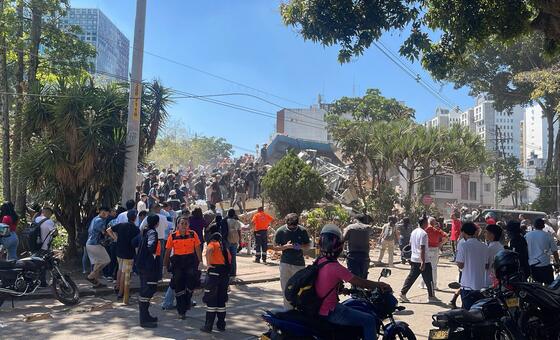
In Cali, Colombia, neighbors are digging through rubble with bare hands to find survivors after a devastating earthquake. Here's how the community is coming together and what comes next.
When the ground stopped shaking in Cali, the silence didn't last long. Within minutes, the sounds of desperation and determination filled the air. Hundreds of people in this hard-hit Colombian city are still waiting for news about missing relatives, friends, and neighbors. Rescue teams are searching for signs of life beneath collapsed buildings, but they aren't working alone.
Ordinary citizens have joined the effort, often digging through debris with nothing but their bare hands. It's a raw, exhausting, and deeply human response to a tragedy that has reshaped entire neighborhoods overnight.
### The Scene on the Ground
Cali was among the cities that took the hardest punch from the recent earthquake. The numbers are still shifting, but the human toll is already staggering. As of the latest reports, at least 40 people have been confirmed dead across the affected region, with hundreds more injured and dozens still unaccounted for.
Walking through the affected areas, you see a mix of chaos and purpose. Firefighters and military personnel work alongside shopkeepers, students, and grandmothers. They form human chains to pass buckets of rubble, call out names into the cracks of broken concrete, and stop to listen for any faint reply.
> "We don't know who is under there," said one volunteer, pausing to wipe dust from his face. "But they are someone's family. So we keep digging."
### Why Community Response Matters
Professional rescue teams are trained and equipped for this kind of work. But in the first 48 hours after a quake, they simply can't be everywhere at once. That's where neighbors become first responders.
- **Speed saves lives:** People trapped under debris have the best chance of survival within the first 72 hours. Local volunteers often reach victims before official teams do.
- **Local knowledge counts:** Residents know the layout of buildings, who lived where, and which spots might offer pockets of air.
- **Emotional support is real support:** Just having someone nearby—talking, holding a hand, offering water—can keep a trapped person calm and conscious.
That doesn't mean the work is safe. Shifting rubble, exposed wires, and aftershocks make every step risky. Experts warn that untrained volunteers should avoid heavy lifting and let professionals handle unstable structures. But in the chaos, many are willing to take that risk.
### The Emotional Toll on Survivors
For every person pulled from the wreckage, there are dozens of families still waiting. The uncertainty is its own kind of earthquake. It hits you in waves—sometimes a flicker of hope, sometimes a crushing weight.
Local shelters have become gathering points where people share updates, trade rumors, and try to piece together what happened. Some have set up makeshift message boards with photos and names. Others use social media to spread the word about missing loved ones.
Mental health workers are already on the scene, offering counseling to both survivors and rescuers. They warn that the psychological scars will take much longer to heal than the physical ones. Grief, guilt, and anxiety are common in the weeks after a disaster, even for those who weren't directly injured.
### What Comes Next
As the search efforts continue, the focus is slowly shifting to recovery. Temporary housing is being set up for those who lost their homes. Aid organizations are distributing food, water, and medical supplies. But the road ahead is long.
- **Infrastructure damage:** Roads, bridges, and power lines need repairs, which could take months.
- **Economic impact:** Many families lost their livelihoods along with their homes. Small businesses that anchored neighborhoods are gone.
- **Long-term rebuilding:** Experts estimate the recovery could cost billions of dollars and take years to complete.
Still, there's a stubborn sense of hope here. The same hands that dug through rubble are now helping to clear streets and rebuild makeshift shelters. Neighbors who barely knew each other a week ago are now sharing meals and sleeping in the same tents.
### How You Can Help
If you're reading this from outside Colombia and want to support the relief efforts, the best approach is to donate to established organizations that are already on the ground. Cash donations are usually more effective than physical goods, because they allow aid groups to buy exactly what's needed locally.
Avoid sending clothing or household items unless a specific organization requests them. Unsolicited donations can actually slow down relief work by clogging supply chains and requiring extra storage space.
And if you can't donate, don't underestimate the power of sharing accurate information. In a disaster, misinformation spreads almost as fast as the news itself. Share updates from official sources and fact-check before you post.
The earthquake in Colombia has left scars that will take years to heal. But in the middle of the ruins, something remarkable is happening. People are showing up for each other. They're digging with bare hands, sharing what little they have, and refusing to let hope be buried under the debris.