Colombia Earthquake: Neighbors Dig Through Rubble With Bare Hands
Eleanor Vance ·
Listen to this article~4 min
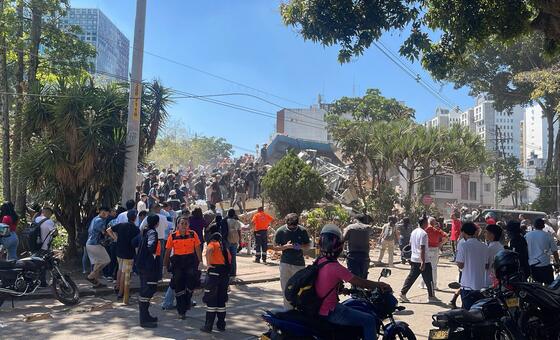
When the earthquake hit Cali, Colombia, hundreds lost contact with loved ones. Rescue teams and ordinary citizens are digging through rubble together, refusing to give up hope.
When the ground stopped shaking in Cali, the silence didn't last long. Within minutes, the city filled with a different kind of noise—shouts for help, the scrape of debris being moved, and the steady rhythm of people refusing to give up.
The recent earthquake in Colombia hit Cali especially hard, and hundreds of families are still waiting for news about loved ones who were caught in the collapse. Rescue teams are working around the clock, listening for any sign of life beneath the twisted metal and broken concrete. But they aren't alone. Ordinary residents—teachers, shopkeepers, college students—have joined the search, many of them digging through the rubble with nothing but their bare hands.
### A City United by Crisis
There's something about a disaster that strips away everything unnecessary. In Cali, the usual divisions of neighborhood, income, and background have faded into the background. What matters now is the person trapped under the next pile of bricks, and the person standing next to you who's willing to help.
Local volunteers have formed impromptu brigades, passing buckets of debris down human chains that stretch for blocks. Some bring water and food to the rescue workers. Others set up first-aid stations on street corners. A teenager with a smartphone is coordinating supplies through a group chat. A retired nurse is triaging the injured on a folding table.
It's not organized. It's not official. But it's working—one brick at a time.
### The Emotional Toll of Waiting
For those still waiting for news, every hour feels like a year. The uncertainty is the hardest part. You check your phone obsessively. You refresh the same news page over and over. You listen for footsteps, for a voice, for anything that might tell you someone you love is still out there.
Maria Elena, a resident of the Siloe neighborhood, hasn't slept in three days. Her brother's apartment building collapsed in the first minutes of the quake. She's been at the site since dawn, helping where she can, hoping against hope. "I can't just sit at home," she says, her hands raw and bleeding through her gloves. "If I'm here, I'm doing something. That's all I have left."
Her story is echoed across the city. The waiting rooms of emergency shelters are filled with people who refuse to leave, who believe that as long as they're present, there's still a chance.
### How You Can Help From Afar
If you're reading this from outside Colombia and wondering what you can do, there are meaningful ways to support the relief efforts without being on the ground:
- **Donate to vetted relief organizations** that are already working in Cali and the surrounding areas. Look for groups with a proven track record in disaster response.
- **Spread verified information** about missing persons and available resources. A single share can connect a family with the news they've been desperate for.
- **Support local businesses** in affected regions that are trying to rebuild. Many are accepting online orders or donations that go directly to their employees.
- **Avoid sending physical items** unless a specific organization requests them. Unsolicited goods can clog supply chains and delay critical aid.
### The Road Ahead
Even after the last survivor is pulled from the rubble, the work in Cali will be far from over. Rebuilding a city takes months, sometimes years. The emotional scars linger even longer. But the spirit that emerged in the immediate aftermath—the neighbors who dug with bare hands, the volunteers who refused to leave, the strangers who became family—that's the foundation on which Cali will rebuild.
For now, the search continues. The city holds its breath, waiting for good news, praying for miracles. And in the meantime, the people of Cali are showing the world what solidarity really looks like.
It's not pretty. It's not efficient. It's human—and that might be exactly what's needed.