Colombia Earthquake: Neighbors Dig Through Rubble With Bare Hands
Robert Miller ·
Listen to this article~4 min
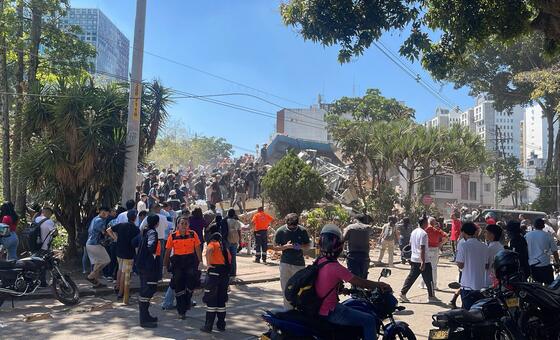
In Cali, Colombia, neighbors are digging through earthquake rubble with bare hands to find survivors. Discover the raw solidarity and how you can help from afar.
When the ground stopped shaking in Cali, the silence didn't last long. It was replaced by shouts, cries, and the frantic sound of people calling out names. In one of the cities hit hardest by the recent earthquake in Colombia, hundreds of families are still waiting for news about missing loved ones. The waiting is the hardest part, and for many, it's unbearable.
The official rescue teams are doing everything they can. They're searching for any sign of life beneath the collapsed buildings, using dogs, listening devices, and heavy machinery. But here's the thing about a disaster like this: official help can only move so fast. That's where everyday people step in.
### When Bureaucracy Meets a Wall of Concrete
In the chaos after the quake, you don't think about protocols. You think about your neighbor, your friend, the shopkeeper you saw every morning. So, alongside the trained professionals, you see locals doing what they can. Many are digging through the debris with their bare hands, ignoring the cuts and the exhaustion. It's raw, it's desperate, and it's profoundly human.
This kind of spontaneous mutual aid is something you can't train for. It comes from a deep, instinctive place. Here's what that looks like on the ground:
- People forming human chains to pass heavy chunks of concrete and twisted metal.
- Volunteers bringing water, food, and first aid supplies from their own homes.
- Strangers holding hands with those waiting, just so nobody has to wait alone.
- Local drivers using their own trucks to move debris when the excavators couldn't get through.
It's not just about the physical rescue. It's about the solidarity that keeps a community from falling apart when everything else has.
### The Long Wait for Answers
For every person pulled from the rubble, there are dozens of families still standing on the sidewalk, staring at a pile of stone that used to be their home. The uncertainty is a cruel kind of torture. You find yourself bargaining with yourself, hoping that maybe, just maybe, there's a pocket of air down there.
The emotional toll is staggering. You can see it in the faces of the volunteers. They're running on adrenaline and coffee, but the fatigue is setting in. They're not just tired physically; they're tired of hoping and fearing at the same time. It's a heavy weight to carry.
### How You Can Help From a Distance
If you're reading this from the United States, you might feel helpless. But you're not. The best way to support these rescue efforts is to donate to established, vetted relief organizations that are already on the ground in Colombia. Look for groups that have a proven track record of disaster response and that provide direct aid to the affected communities.
When you donate, make sure your money goes to things like:
- Emergency shelter and blankets for those who lost their homes.
- Clean drinking water and medical supplies.
- Heavy equipment rentals for the official search teams.
- Cash assistance for families to buy food and essentials.
Every dollar counts. A $50 donation can buy a week's worth of food for a displaced family. A $200 donation can help fund the fuel for a rescue vehicle. It's not about grand gestures; it's about consistent, practical support.
### The Road Ahead
The rescue phase is only the beginning. After the dust settles, there's the long, hard work of rebuilding. That takes months and years, not days. The solidarity you see in Cali right now is the foundation for that recovery. It's proof that even when buildings fall, the community doesn't have to.
For now, the search continues. The people of Cali are holding on to hope, and they're holding on to each other. They're showing the world what it means to be there for your neighbor, no matter what it takes.