How Colombia's Earthquake Survivors Are Rebuilding Hope Together
Fleur Jansen ·
Listen to this article~5 min
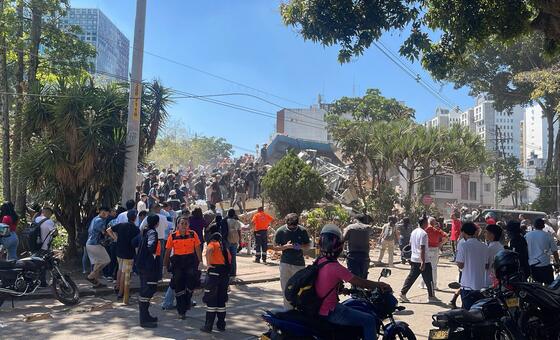
After the earthquake hit Cali, Colombia, hundreds of families are still waiting for news. But amid the ruins, neighbors are digging through rubble with bare hands, proving that solidarity can shine even in the darkest moments.
When the ground started shaking in Cali, Colombia, nobody was prepared for what came next. The earthquake struck without warning, turning busy streets into fields of rubble and leaving hundreds of families wondering if their loved ones made it out alive. It's the kind of disaster that reminds you how fragile everything can feel in a single moment.
But here's the thing about tragedy: it often brings out the best in people. In the days since the quake, we've seen something remarkable unfold. Rescue teams have been working around the clock, but they haven't been working alone. Everyday citizens—neighbors, shopkeepers, students—have joined the effort, sometimes digging through debris with nothing but their bare hands. It's raw, it's exhausting, and it's deeply human.
### The Scene in Cali: A City in Shock
Cali took some of the hardest hits. Blocks that once housed small businesses and apartment buildings now look like piles of concrete and twisted metal. Rescue workers are using listening devices to detect any sign of life beneath the rubble, but they're also relying on something simpler: the voices of volunteers calling out names, hoping for a response.
Hundreds of people are still waiting for news about missing relatives, friends, and coworkers. Makeshift information centers have popped up around the city, where families post photos and share updates. It's a painful waiting game, but it's also a testament to how tightly knit this community really is.
### Mutual Aid: When Neighbors Become First Responders
One of the most powerful stories coming out of Cali is the way ordinary people have stepped up. While professional rescue teams handle the most dangerous work, volunteers are doing everything else—clearing smaller debris, bringing water and food to exhausted workers, and comforting those who are waiting.
Here's what that mutual aid looks like in practice:
- Local restaurants have opened their kitchens to cook free meals for rescue crews
- Students from nearby universities have formed volunteer brigades to help with logistics
- Residents with pickup trucks are offering free rides to hospitals and shelters
- Community leaders are organizing donation drives for clothes, blankets, and medical supplies
It's not organized by any government agency. It's just people deciding they can't sit still while others suffer. And honestly, that might be the most hopeful thing to come out of this disaster.
### The Emotional Toll: Grief, Hope, and Uncertainty
Let's be real for a second. The emotional weight here is enormous. Every hour that passes without news feels like an eternity for the families involved. Mental health professionals have been deployed to help both survivors and rescue workers cope with what they're experiencing. And while the physical rescue effort is critical, so is the emotional support.
"People are exhausted, but they refuse to give up," said one local volunteer who asked not to be named. "We're holding onto hope because that's all we have right now."
That quote really captures the mood. It's not blind optimism—it's a stubborn refusal to let despair win. And that's something worth acknowledging.
### What Comes Next: Recovery and Rebuilding
Once the rescue phase winds down, the real work begins. Rebuilding homes, restoring infrastructure, and helping people process what they've been through. That's a long road, and it won't be easy. But if the spirit we're seeing in Cali is any indication, this community has the strength to get through it.
For those outside Colombia who want to help, the best approach is to support reputable relief organizations that are already on the ground. Cash donations are often more useful than physical goods, since they allow local groups to buy exactly what's needed. Every dollar counts, whether it's $5 or $500.
### A Final Thought on Solidarity
Disasters have a way of stripping away everything that doesn't matter. They remind us that we're all connected, no matter where we live. What's happening in Cali could happen anywhere—and that's why it matters to all of us.
If you're reading this and feeling helpless, know that even small acts of kindness can make a difference. Share accurate information. Donate if you can. And above all, keep the people of Cali in your thoughts. They're not just survivors. They're a community showing the world what solidarity really looks like.