Critical Aid for Millions of Refugees Hangs by a Thread
Michael Wilson ·
Listen to this article~3 min
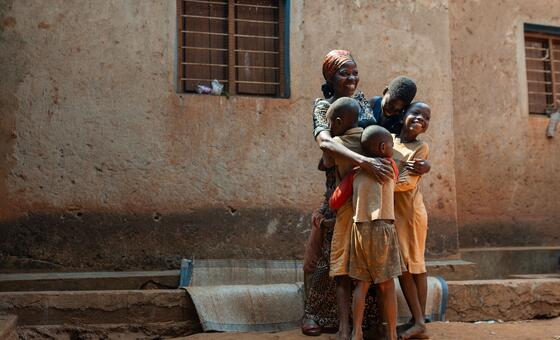
A UNHCR report warns that critical aid for approximately 8.3 million refugees and displaced persons is at severe risk due to major funding shortfalls, forcing cuts to essential programs.
You know that sinking feeling when you realize something essential is about to slip away? That's the reality for millions of displaced people right now. A new report from the UN High Commissioner for Refugees (UNHCR) just dropped, and the news isn't good. It's actually pretty alarming.
We're talking about roughly 8.3 million people—refugees, internally displaced persons, and stateless individuals—who are at serious risk of losing access to life-saving assistance. That's not just a statistic. That's a number larger than the population of New York City, facing a potential cutoff from the basic support keeping them alive.
### The Funding Crisis Behind the Headlines
So, what's causing this? It boils down to money, or rather, the lack of it. Major funding shortfalls are hitting the very systems designed to protect and support people during the world's largest displacement crises. Think about it like this: you can't run a hospital without medicine, or a shelter without food. These aid programs are facing the same brutal math.
Because of these cuts, entire support networks are teetering on the edge of collapse. The UNHCR is being forced into impossible choices, having to scale back core programs that provide:
- Essential food and clean water
- Emergency shelter and medical care
- Legal protection and safety services
- Basic education for children
It's a domino effect. One program folds, and the strain on the others becomes unbearable.
### What Happens When Aid Vanishes?
Let's get real for a second. This isn't about abstract budget lines. When this aid disappears, the consequences are immediate and human. Families go hungry. Sick children can't get treatment. People who fled violence lose the last shred of security they had.
The report makes it clear these aren't minor cuts. We're talking about fundamental programs being wound down in the middle of ongoing emergencies. The gap between what's needed and what's being funded is stretching wider every day, and it's the most vulnerable who fall through.
As one aid worker on the ground put it, "We're not just trimming fat anymore; we're cutting into muscle and bone." The sentiment captures the severity. The system built to catch people is developing holes faster than we can patch them.
### Looking Beyond the Immediate Crisis
This moment forces a tough conversation. It highlights how fragile our global humanitarian response really is. Relying on volatile funding cycles puts millions of lives in a perpetual state of uncertainty. It's a cycle of crisis management, instead of building sustainable resilience.
The situation calls for more than just stopgap solutions. It demands a look at how support is structured and funded long-term. Because right now, for those 8.3 million people, the future looks frighteningly uncertain. Their immediate survival is literally tied to decisions made in boardrooms and government offices thousands of miles away. That's a heavy weight, and it's a story that needs to be told, loudly and clearly, before it's too late.