A Critical Lifeline for Millions Could Be Cut
Amanda Miller ·
Listen to this article~4 min
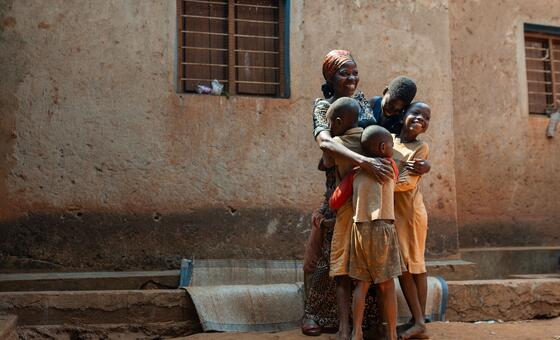
A UN report warns nearly 8.3 million refugees and displaced people risk losing vital aid due to critical funding shortages, forcing the UNHCR to scale back essential survival programs.
A new report from the United Nations High Commissioner for Refugees (UNHCR) contains a stark and urgent warning. It says that nearly 8.3 million refugees, internally displaced people, and stateless individuals are at immediate risk of losing access to the most basic, life-sustaining aid. We're talking about food, clean water, shelter, and medical care. The very systems designed to protect and support them are teetering on the brink of collapse.
The reason? A severe and growing shortfall in global funding. It's a perfect storm. The world's largest displacement crises are intensifying, but the financial resources needed to respond are drying up. As a result, the UNHCR is being forced to make impossible choices—scaling back or shutting down core programs that millions rely on every single day. It's a situation where the math just doesn't add up, and the human cost is immeasurable.
### What's Really at Stake Here?
Let's break down what this funding crisis means on the ground. It's not just about numbers in a spreadsheet. It means a family that fled violence might lose the monthly food voucher that keeps their children from going hungry. It could mean a clinic in a sprawling refugee camp closing its doors, leaving pregnant women and the sick with nowhere to turn. Shelters that provide a semblance of safety and dignity could be dismantled. We're talking about the fundamental pillars of survival being pulled away.
Think of it like this: the international aid system is a lifeboat for people caught in the worst storms imaginable. Right now, that lifeboat is springing leaks faster than we can patch them. Without urgent action, it risks going under, taking millions with it. The report highlights that this isn't a distant possibility—it's happening right now, forcing humanitarian workers to triage need in ways no one should have to.
### The Domino Effect of Withdrawn Support
When these essential programs are cut, the consequences ripple out far beyond the immediate loss of a meal or a bed. Stability unravels. Consider these knock-on effects:
- **Increased Vulnerability:** People, especially women and children, become more exposed to exploitation, violence, and trafficking when protective services vanish.
- **Health Crises:** The collapse of basic sanitation and health services can trigger disease outbreaks that spread rapidly in crowded conditions.
- **Lost Futures:** Educational programs for refugee children are often among the first to be cut, stealing their chance for a better tomorrow and perpetuating cycles of poverty.
- **Regional Destabilization:** When camps or host communities lose support, it can lead to increased tension and conflict, undermining security for everyone.
The human spirit is incredibly resilient, but there's a breaking point. Pushing 8.3 million people closer to that edge isn't just a humanitarian failure; it's a recipe for deeper, longer-term global instability. We can't afford to look away.
As one UNHCR official put it recently, "We are being asked to do the impossible: meet soaring needs with shrinking means." That quote really hits home, doesn't it? It captures the sheer scale of the dilemma. They're trying to hold back a flood with a bucket that's half-empty.
The path forward requires more than just awareness. It demands a renewed commitment from the international community, from governments to private donors. The needs are clear, the mechanisms to help exist, but the will to fund them must match the scale of the challenge. Checking in on this crisis isn't enough—the moment calls for stepping up.