The Devastating Human Toll in Ukraine's Frontline Regions
Eleanor Vance ·
Listen to this article~3 min
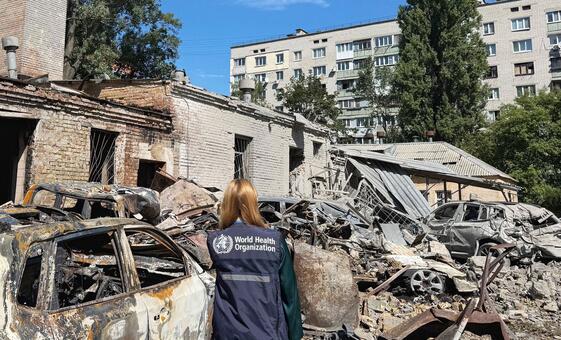
UN reports cite Ukrainian authorities: at least 12 civilians killed, over 65 wounded in attacks across Ukraine in 24 hours, with frontline regions suffering most severely.
There are reports coming out that paint a heartbreaking picture of what's been happening. On Friday, a UN agency released information, citing Ukrainian authorities. It's a stark reminder that behind the headlines and political maneuvers, real people are suffering.
Here's what we know. Over the course of the last 24 hours, attacks across the country have claimed the lives of at least 12 civilians. That number isn't just a statistic. Think about that for a moment—twelve families are now grieving. And the number of wounded is even more staggering, with more than 65 people reported injured.
It hits you differently when you stop and consider the scale of it.
### Where the Suffering Is Most Severe
Unsurprisingly, the regions that have borne the brunt of this recent violence are the frontline areas. These are the towns and villages closest to the active fighting. For the people living there, the concept of a 'safe zone' has completely evaporated. Their daily reality is one of sirens, uncertainty, and profound loss. The impact on civilian infrastructure—homes, hospitals, schools—in these zones is catastrophic and creates a ripple effect of human suffering that lasts long after the immediate danger passes.
Imagine trying to live a normal life, to go to work or get your kids to school, under that constant shadow. It's impossible. The psychological toll is immense, on top of the physical danger.
- **Civilian Casualties:** At least 12 killed, over 65 injured in a single day.
- **Geographic Focus:** Frontline regions are experiencing the most severe impacts.
- **Humanitarian Crisis:** These attacks exacerbate an already dire situation for access to food, water, and medical care.
The UN's involvement in compiling and reporting these figures is crucial. It provides a measure of accountability and tries to cut through the fog of war to document the true human cost. Their data, while grim, is essential for humanitarian organizations trying to plan aid deliveries and for the historical record.
### The Long Road to Recovery
When we talk about 'recovery' in this context, it's about more than just rebuilding bricks and mortar. It's about healing communities shattered by violence. The wounds are both seen and unseen. For every physical injury treated, there are countless more psychological scars that will need attention long after the guns fall silent. The work of restoring a sense of normalcy, of safety, for these populations is a monumental task that will require sustained international support.
It's easy to feel overwhelmed by news like this. The numbers can become numbing. But it's important to remember that each number represents a person—a life interrupted, a family changed forever. The international community watches, and the hope is that this documented suffering amplifies calls for the protection of civilians, as mandated under international law.
Ultimately, this isn't just a report about a bad day in a conflict zone. It's a snapshot of an ongoing human tragedy. It underscores the urgent, non-negotiable need for the protection of non-combatants and for humanitarian corridors that allow aid to reach those in desperate need. The conversation needs to keep circling back to the people caught in the middle.