A Devastating Toll Emerges from a Weekend of Conflict
Julia Meyer ·
Listen to this article~3 min
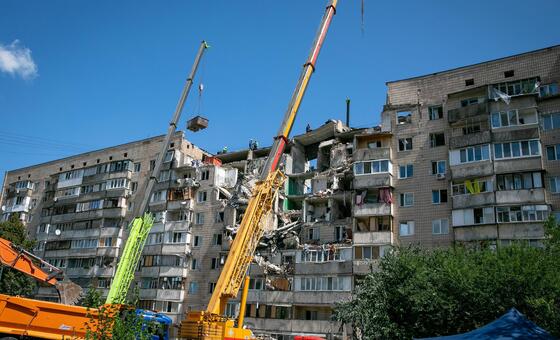
UN reports a devastating human toll from weekend attacks in Ukraine, with approximately 60 civilians killed and over 240 wounded, according to spokesperson Stéphane Dujarric.
Over the past weekend, a wave of attacks across Ukraine has resulted in a heartbreaking human cost. According to figures cited by the United Nations, approximately 60 civilians lost their lives, and more than 240 people were wounded. The stark details were presented by UN spokesperson Stéphane Dujarric during a press briefing in New York on Monday. He relayed information gathered by UN humanitarian personnel on the ground, in coordination with Ukrainian authorities.
It's one of those updates that stops you cold. The numbers are more than statistics; they represent families shattered, communities in mourning, and a profound escalation of suffering. For those of us watching from afar, it can feel overwhelming. How do we process news like this? We often see the headlines, but the true weight is in the quiet aftermath—the empty chairs at dinner tables, the interrupted lives.
### The Human Impact Behind the Headlines
When we hear '60 lives lost,' it's crucial to remember what that really means. That's 60 individual stories, dreams, and connections gone. The hundreds wounded face not just physical recovery, but deep psychological trauma. The ripple effects of such violence touch every corner of society, from local economies to the mental health of an entire generation. Infrastructure damage complicates rescue efforts and makes delivering aid a dangerous challenge for humanitarian workers.
These events force us to confront some difficult truths about conflict in the modern world. The line between military targets and civilian spaces continues to blur, with devastating consequences. Protecting non-combatants isn't just a legal obligation under international law; it's a fundamental moral imperative that seems increasingly difficult to uphold in complex war zones.
### The Role of International Reporting
The fact that this data comes through UN channels highlights the critical role of on-the-ground humanitarian assessment. These aren't distant estimates; they're compiled by professionals witnessing the aftermath firsthand. This direct reporting is vital for:
- **Accuracy:** Providing verified, credible casualty figures.
- **Accountability:** Creating a record for future historical and legal review.
- **Aid Coordination:** Informing where emergency resources are most desperately needed.
As one aid worker recently noted, *'Our job is to bear witness, to count what others might overlook, and to ensure the human story isn't lost in the political narrative.'* This statement underscores the painful necessity of their work.
### Looking Beyond the Immediate Crisis
While the immediate focus is rightly on emergency response and medical care, the long-term needs will be immense. Rebuilding lives requires more than bricks and mortar. It requires sustained psychological support, economic opportunities, and a foundation for justice. The international community's response in the coming weeks will be a test of its commitment to these principles.
For professionals and observers, this weekend's tragic events are a sobering reminder. They underscore the fragility of peace and the relentless human cost when diplomacy fails. It challenges us to support credible information channels, advocate for humanitarian access, and remember that behind every data point is a person whose world has been irrevocably changed. The path forward is fraught, but acknowledging the full scale of the loss is the first, necessary step toward any future healing.