Dhow Tragedy Off Djibouti: At Least 15 Children Among 139 Dead
Emily Taylor ·
Listen to this article~3 min
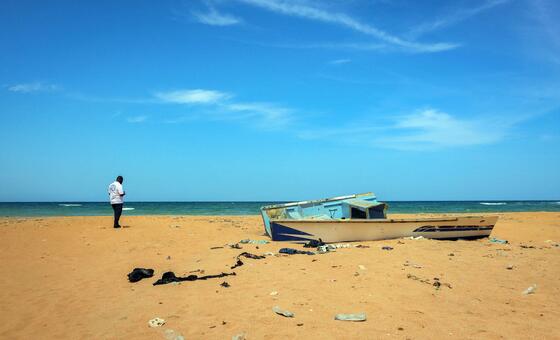
A boat carrying migrants sank off Djibouti, killing at least 139 people. UNICEF reports at least 15 children were among the dead, with 84 others still missing. The route remains one of the world's deadliest.
When a boat goes down, the numbers hit you first. Then the names, the ages, the faces you'll never see. This week, off the coast of Djibouti, a vessel carrying migrants broke apart in the water. At least 139 people are dead. Another 84 are still missing. And according to UNICEF, at least 15 of the dead were children. That last detail is the one that stays with you.
### What We Know About the Djibouti Shipwreck
The International Organization for Migration (IOM) confirmed the death toll. The boat was reportedly carrying migrants and refugees across a route that has become increasingly deadly. Djibouti sits at the crossroads of East Africa and the Arabian Peninsula, making it a common transit point for people trying to reach Yemen and beyond. The waters there are rough. The boats are often overcrowded and unseaworthy. And when something goes wrong, it goes wrong fast.
A spokesperson for the IOM described the scene as "a devastating reminder of the risks people take when they have no safe alternatives." That quote isn't just a soundbite. It's the reality behind every single one of those numbers.
### Why This Route Is So Dangerous
- The Gulf of Aden and the Red Sea are known for unpredictable currents and sudden storms.
- Smugglers often pack dozens of people onto small, open boats designed for far fewer.
- Many migrants can't swim, and life jackets are rarely provided.
- Rescue operations are complicated by the sheer distance from shore and limited coast guard resources.
This isn't the first time. It won't be the last unless something changes. But right now, the focus is on the families waiting for news. The 84 missing are still unaccounted for. Search efforts have been ongoing, but hope is fading with each passing hour.
### The Human Cost Behind the Headlines
It's easy to scroll past a story like this. We see the numbers, feel a pang of sadness, and move on. But 139 people is not just a statistic. It's 139 individual stories. People who left home because they felt they had no choice. Parents trying to give their kids a better life. Children who never made it to the other side.
UNICEF released a statement expressing deep sorrow over the loss of young lives. "Children should never have to pay the ultimate price for a chance at safety," the statement read. That's a sentiment that should be obvious. Yet here we are.
### What Happens Next
The IOM and local authorities are continuing recovery efforts. Survivors, if any, are being interviewed to piece together exactly what happened. The route itself remains active. People will keep trying. The question is whether the international community will do more to prevent these tragedies, or whether we'll be reading another story like this in a few weeks.
For now, all we can do is remember. Remember the 15 children. Remember the 139. Remember the 84 still missing. And maybe, just maybe, let that memory push us toward something better than indifference.