Ebola's Toll in Congo Surpasses 2,000 as the Virus Spreads Faster Than Ever
Jessica Wilson ·
Listen to this article~5 min
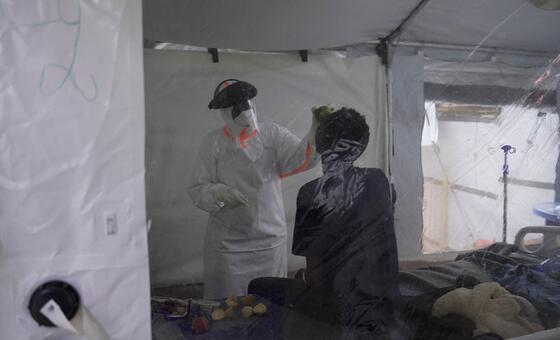
The Ebola outbreak in the Democratic Republic of the Congo has killed over 2,000 people, with half of those deaths occurring in the last 20 days. Here's what's driving the rapid spread and what's being done to stop it.
The numbers are staggering, and they keep climbing. According to the United Nations, which is citing officials from the Democratic Republic of the Congo (DRC), the death toll from the Ebola outbreak has now surpassed 2,000 people. What makes this even more alarming is that half of those deaths have occurred in just the last 20 days. That kind of acceleration isn't just a statistic—it's a signal that the situation on the ground is spinning out of control.
This isn't the first time the DRC has faced Ebola, but it's the deadliest outbreak the country has ever seen. The virus, specifically the Bundibugyo strain, is spreading through communities faster than health workers can contain it. And while the world has been distracted by other headlines, this crisis has been quietly building into one of the worst public health emergencies of our time.
### Why the Death Toll Is Rising So Quickly
The recent spike in fatalities isn't random. It points to a few critical challenges that health officials are wrestling with right now. First, there's the issue of community mistrust. In many affected areas, residents are skeptical of foreign aid workers and even their own government's health initiatives. This has led to people avoiding treatment centers, hiding symptoms, and in some cases, attacking responders who are trying to help.
Second, the geography of the outbreak is working against containment efforts. The affected regions are remote, with poor road networks and limited access to clean water or electricity. That makes it incredibly difficult to transport vaccines, medical supplies, and trained personnel to where they're needed most. When you're dealing with a virus that spreads through bodily fluids, every hour of delay matters.
### The Human Cost Behind the Numbers
It's easy to get lost in the figures, but let's step back for a moment. Behind each one of those 2,000 deaths is a family that's been torn apart. A mother who lost her child. A husband who buried his wife. Communities that are now living in constant fear, wondering if they'll be next. The psychological toll is just as devastating as the physical one, and it's something that won't disappear even after the outbreak is declared over.
Health workers on the front lines are exhausted. They're putting in 18-hour days, often without proper protective gear, and they're doing it knowing that one mistake could cost them their lives. Several doctors and nurses have already died from the virus this year. It's a grim reminder that bravery alone isn't enough to stop a pathogen this aggressive.
### What's Being Done to Stop the Spread
The international community hasn't been idle, but the response has been uneven. The World Health Organization has deployed teams to the region, and there are two experimental vaccines being used in the field. Early data suggests they're effective, but the challenge is reaching enough people quickly enough. So far, only a fraction of the at-risk population has been vaccinated.
- Mobile testing units are being set up in hard-to-reach villages.
- Contact tracing teams are working around the clock to identify new cases.
- Community outreach programs are trying to rebuild trust with local leaders.
- Border screenings have been increased to prevent the virus from crossing into neighboring countries.
These efforts are helping, but they're not enough. The outbreak is still expanding, and every day that passes without a coordinated, aggressive response means more lives lost.
### What This Means for the Rest of the World
You might be wondering why this matters if you're sitting in the United States, thousands of miles away. The truth is, viruses don't respect borders. In our interconnected world, a single passenger on a flight from Kinshasa to New York could change everything. The DRC is a major transit hub for central Africa, and the risk of international spread is real.
That's why global health officials are urging countries to step up their preparedness. It's not about panic; it's about being smart. Stockpiling medical supplies, training hospital staff, and improving surveillance systems are all things that can be done now, before a crisis hits home. The cost of preparation is always lower than the cost of reaction.
### The Road Ahead
There's no easy answer here. This outbreak will likely continue for months, and the death toll could rise even higher. But there is hope. Vaccines are working, health workers are fighting, and communities are slowly beginning to trust the people trying to help them. The question is whether the world will pay attention long enough to make a real difference.
If you're looking for a takeaway, it's this: public health is a collective responsibility. What happens in the DRC doesn't stay in the DRC. We're all connected, and we all have a role to play in stopping the next pandemic before it starts. Whether that's through donations, advocacy, or simply staying informed, every action counts.