Ebola Outbreak in Congo Reaches Displacement Camps—What Comes Next
Julia Wagner ·
Listen to this article~4 min
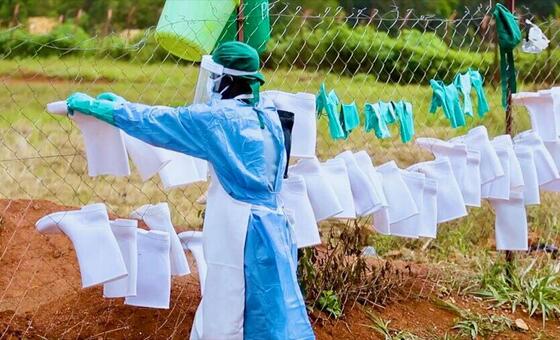
UN agencies are on high alert after Ebola cases emerge in DRC displacement camps. Learn what this means for containment efforts and the people most at risk.
The Democratic Republic of Congo is facing a serious new chapter in its ongoing battle with Ebola. Reports from the United Nations Refugee Agency (UNHCR) confirm that 19 internally displaced people have now tested positive for the Bundibugyo strain of the virus, and tragically, five of them have already died. That news has put UN humanitarian agencies on high alert, and for good reason.
When Ebola shows up in crowded displacement camps, the stakes go up dramatically. These camps are often tight-knit communities where families share small living spaces, water sources, and basic supplies. That kind of proximity makes containment incredibly difficult, even for the most experienced response teams.
The Bundibugyo strain is not the same as the Zaire strain that caused the devastating 2014–2016 West Africa outbreak. It tends to be less deadly, but it still poses a serious public health threat. And in a region already stretched thin by conflict and food insecurity, every new case puts additional pressure on an overburdened system.
### Why Displacement Camps Are Especially Vulnerable
Displacement camps are built for temporary relief, but many people end up living in them for years. That creates a perfect storm for disease transmission. Limited access to clean water, overcrowded shelters, and minimal healthcare infrastructure all contribute to the rapid spread of viruses like Ebola.
Here are some of the biggest challenges responders are facing right now:
- **Overcrowding:** Physical distancing is nearly impossible when families share small tents or shelters.
- **Limited sanitation:** Many camps lack adequate handwashing stations or safe waste disposal systems.
- **Healthcare gaps:** Mobile clinics are often understaffed and under-supplied, especially in remote areas.
- **Fear and mistrust:** Communities that have experienced violence or neglect may be hesitant to seek help or follow public health guidance.
These factors don't just make outbreaks worse—they make them harder to predict and harder to stop.
### What the UN Is Doing Right Now
UNHCR and its partners are not waiting around. They've activated emergency protocols and are working on multiple fronts to limit the spread. That includes tracing contacts, setting up isolation units, and ramping up community education efforts.
One of the most important parts of the response is communication. Health workers are going into camps to explain how Ebola spreads, what symptoms to watch for, and why it's critical to report suspected cases early. It's not just about medicine—it's about building trust and making sure people feel safe coming forward.
Vaccination efforts are also underway, though the Bundibugyo strain requires specific vaccine considerations. The rVSV-ZEBOV vaccine, which proved highly effective against the Zaire strain, may not offer the same level of protection here. That means researchers and health officials are working against the clock to adapt their approach.
### The Bigger Picture
This outbreak is happening in a country that has already endured multiple Ebola epidemics over the past decade. The DRC has more experience fighting this virus than almost any other nation, and that expertise is invaluable. But it also means the country is exhausted, underfunded, and facing overlapping crises—from armed conflict to measles outbreaks to chronic malnutrition.
What happens in the coming weeks will depend on how quickly resources can be mobilized and how effectively communities can be engaged. The world has learned a lot since 2014, but every outbreak reminds us that the fight against Ebola is never truly over.
For now, the priority is clear: contain the virus before it spreads further, protect the most vulnerable, and keep the lines of communication open between responders and the communities they serve. The next few weeks will be critical, and the international community is watching closely.