Ebola's Death Toll in Congo Surpasses 2,000 as Outbreak Accelerates
Amanda Brown ·
Listen to this article~5 min
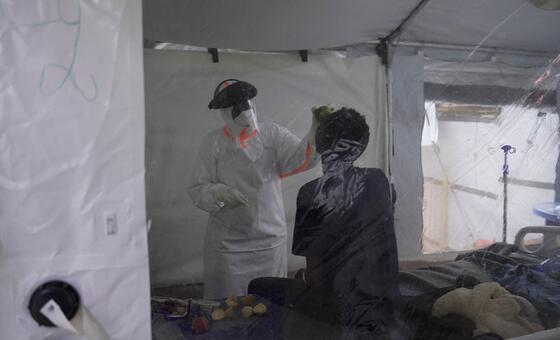
The Ebola outbreak in the DRC has surpassed 2,000 deaths, with nearly half occurring in the last three weeks. Here's what's driving the rapid spread and why the world should care.
The numbers are staggering, and they keep climbing. The Ebola outbreak in the Democratic Republic of Congo (DRC) has now claimed more than 2,000 lives, according to the United Nations, citing the country's health authorities. What's even more alarming? Nearly half of those deaths happened in just the last three weeks.
This isn't just another headline about a distant crisis. It's a public health emergency that's spreading faster than officials can contain it. And for those of us watching from the United States, it's a stark reminder of how quickly a virus can spiral out of control when resources are stretched thin and communities are caught in the crossfire.
### What's Driving the Rapid Spread?
The current outbreak, caused by the Bundibugyo strain of the Ebola virus, is unfolding in a region that's already dealing with armed conflict and deep mistrust of health workers. That combination is proving deadly. When aid teams can't reach affected areas safely, the virus gets a head start. And when families don't trust the responders, they hide symptoms instead of seeking help.
Here's what makes this situation particularly dangerous:
- **Conflict zones**: Fighting between armed groups has forced health workers to pause vaccinations and treatment efforts, sometimes for days at a time.
- **Community resistance**: Some locals believe the virus is a hoax or that health workers are spreading it. That skepticism has led to attacks on treatment centers.
- **Population movement**: People fleeing violence are crossing borders and moving between towns, carrying the virus with them.
- **Limited resources**: The DRC's health system was already fragile before this outbreak. Now it's being asked to do the impossible with too little support.
### Why the Sudden Spike in Deaths?
The last 20 days have been brutal. Health officials say the case fatality rate in this outbreak is running higher than in previous ones, partly because patients are arriving at clinics too late. When you're dealing with a virus that can kill within days of symptoms appearing, every hour counts.
There's also a seasonal factor at play. The rainy season is making roads impassable, which means medical supplies and burial teams are getting stuck. In a disease like Ebola, how you handle the deceased matters immensely. If bodies aren't buried safely, the virus keeps spreading through contact with the dead.
### What the UN Is Doing About It
The United Nations is calling for more international support, and fast. They're asking for additional funding to scale up vaccination campaigns and deploy more health workers to the hardest-hit areas. The current response plan is underfunded, and every delay means more lives lost.
One of the most effective tools we have is the Ebola vaccine. It's proven to work, and health workers have used it to protect over 250,000 people so far. But the vaccine only helps if it reaches the people who need it, and that's still a massive logistical challenge in a conflict zone.
### What This Means for the Rest of the World
You might be thinking, "That's on the other side of the planet. How does this affect me?" The truth is, we're all connected. International air travel means an outbreak like this is just one flight away from becoming a global concern. That's why the U.S. has a vested interest in helping contain it now, rather than dealing with the consequences later.
There's also a humanitarian angle that's hard to ignore. More than 2,000 people have died, and behind each number is a family that's grieving, often without the ability to even hold a proper funeral. The psychological toll on survivors is immense, and the economic impact on communities already living in poverty is devastating.
### The Road Ahead
Health officials are cautiously optimistic that the outbreak can be contained, but they're also clear-eyed about the challenges. It's going to take a coordinated effort involving local leaders, international agencies, and community members themselves. Trust has to be rebuilt, and that takes time and patience.
For now, the message from the UN is simple: we need more help, and we need it now. The window to act is closing, and every day of delay comes with a cost measured in human lives.
If you're looking for ways to stay informed or support relief efforts, organizations like Doctors Without Borders and the International Red Cross are on the ground and accepting donations. It's a small way to make a difference, but it matters.
This outbreak is a sobering reminder that viruses don't respect borders. The best defense we have is a global response that's fast, coordinated, and compassionate. Let's hope the world answers that call before the numbers climb even higher.