Ebola Death Toll in DRC Surpasses 2,000 as Virus Spreads Fast
Thomas Meyer ·
Listen to this article~4 min
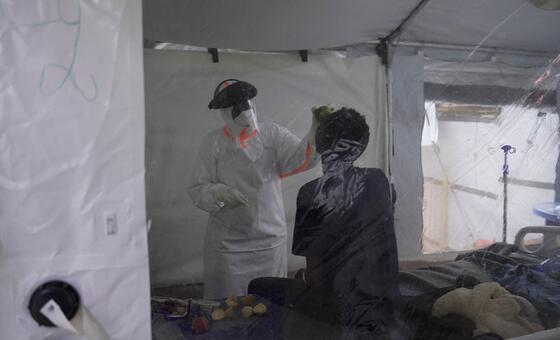
Ebola has now killed over 2,000 people in the DRC, with half of those deaths in just 20 days. Here's what's driving the rapid spread and what it means for global health.
The numbers are staggering, and they keep climbing. According to the United Nations, citing officials in the Democratic Republic of the Congo (DRC), the Ebola outbreak has now claimed more than 2,000 lives. What's even more alarming? Half of those deaths happened in just the last 20 days. That's not a slow burn; that's a wildfire.
If you've been following global health news, you know Ebola is nothing new. But this particular strain—Bundibugyo virus—is different from the more famous Zaire strain that grabbed headlines in West Africa a few years back. It's less common, but no less deadly, and it's spreading faster than health workers can contain it.
### What's Really Happening in the DRC?
The DRC has been battling Ebola outbreaks for decades. This one, though, feels different. The virus is moving through communities in North Kivu and Ituri provinces, areas already strained by conflict and displacement. When people are on the move, so is the virus.
Health officials are racing to vaccinate people, but it's a logistical nightmare. Some villages are only reachable by dirt roads that turn to mud during the rainy season. Others are in active conflict zones, where aid workers face real danger just doing their jobs.
Here's what we know so far:
- Over 2,000 deaths confirmed, with half occurring in the past three weeks
- The virus is spreading across borders, with cases reported in neighboring Uganda
- Vaccination campaigns are underway, but reaching remote communities remains a challenge
- Local burial practices, which involve touching the deceased, are driving some transmission
### Why Is This Outbreak Spreading So Quickly?
The short answer? It's a perfect storm of bad luck and bad circumstances. The DRC's eastern region is a hotspot for armed groups, making it nearly impossible for health teams to operate freely. When violence flares, vaccination drives pause, contact tracing stops, and the virus gets a free pass.
There's also a trust issue. Some communities are suspicious of outsiders in white hazmat suits. After years of conflict and broken promises, who can blame them? Health workers are trying to build trust, but it takes time—time the virus doesn't give them.
### What Does This Mean for the Rest of the World?
Here's the thing about viruses: they don't respect borders. The DRC's outbreak has already spilled into Uganda, and the World Health Organization has warned that regional spread is a real possibility. Air travel makes it easy for anyone exposed to hop on a plane and carry the virus thousands of miles away.
For now, the risk to the United States remains low. But global health experts are watching closely, and they're asking for more funding, more personnel, and more political will to stop this thing before it gets even worse.
### What Can You Do?
It's easy to feel helpless when you're thousands of miles away. But you're not entirely powerless. Here are a few things that actually help:
- **Stay informed**: Follow reliable sources like the WHO and CDC for updates
- **Support relief organizations**: Groups like Doctors Without Borders are on the ground, and they need resources
- **Push for awareness**: Talk about this outbreak with friends and family. The more people know, the more pressure there is on governments to act
### The Bottom Line
This outbreak is a tragedy, and it's far from over. Every number in that death toll represents a person—a parent, a child, a neighbor. The world has the tools to stop Ebola; what's missing is the will and the resources to deploy them where they're needed most.
We'll keep watching this story and update you as it develops. In the meantime, if you have questions about Ebola or how outbreaks spread, drop them in the comments. Let's talk about it—because the more we understand, the better equipped we are to help.