Ebola Death Toll Tops 2,000 in Congo as Outbreak Accelerates
Emily Davis ·
Listen to this article~4 min
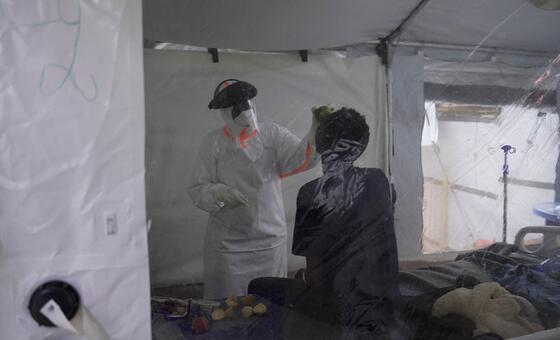
Ebola deaths in the DRC have surpassed 2,000, with half occurring in just 20 days. Here's why the outbreak is accelerating and what's being done to stop it.
The numbers are staggering, and they keep climbing. More than 2,000 people have now died from Ebola in the Democratic Republic of the Congo, according to United Nations officials citing the country's health authorities. What makes this outbreak even more alarming is the pace: roughly half of those deaths occurred in just the last 20 days.
That kind of acceleration is a wake-up call. It tells us the virus isn't slowing down—it's picking up speed. And for anyone tracking global health or working in the region, that's a signal to pay close attention.
### What's Driving the Rapid Spread?
Ebola is a brutal disease, and this particular strain—often referred to as the Bundibugyo virus—has proven especially challenging to contain. The outbreak is centered in North Kivu and Ituri provinces, areas that have faced decades of conflict and instability. That makes it hard for health workers to reach affected communities, let alone set up treatment centers and vaccination campaigns.
There's also a trust issue. In many villages, people are skeptical of outside help. They've seen promises broken before, and some believe the virus isn't real. That skepticism has led to attacks on health facilities and even on Ebola responders. In fact, several aid workers have lost their lives in the line of duty.
### The Human Toll Behind the Statistics
It's easy to get lost in the numbers—2,000 deaths, 20 days, 50 percent. But behind each one is a family that lost a mother, a father, a child. The emotional weight is immense, and the ripple effects go far beyond the immediate victims.
- Over 1,500 children have lost one or both parents to this outbreak.
- Many survivors face long-term health complications, including vision problems and joint pain.
- Communities are struggling with stigma, making it hard for survivors to return to normal life.
This isn't just a health crisis; it's a humanitarian one. The outbreak is straining already fragile health systems, and resources are stretched thin. Hospitals are overwhelmed, and medical supplies are running low in some areas.
### What's Being Done to Stop It?
The global response has been significant, but it's not enough. The World Health Organization has deployed thousands of workers, and a highly effective vaccine has been administered to more than 200,000 people. That vaccine has saved countless lives, but it's not reaching everyone who needs it.
Funding is a constant challenge. The response effort has cost hundreds of millions of dollars, and more is needed to sustain the fight. The United States has contributed significantly, but experts say the international community needs to step up further if we're going to break the cycle of transmission.
### Why This Matters to You
You might be wondering why an Ebola outbreak in Central Africa matters to someone living in the United States. The truth is, in our interconnected world, diseases don't respect borders. A virus that's spreading rapidly in one region can reach another within hours via air travel.
There's also the economic angle. The DRC is rich in minerals like cobalt and coltan, which are used in everything from smartphones to electric car batteries. Instability in the region can disrupt supply chains and affect global markets. So, even from a purely practical standpoint, this outbreak has implications that reach far beyond the affected areas.
### The Road Ahead
The next few weeks will be critical. Health officials are racing to contain the virus before the rainy season makes things even harder. Roads become impassable, and many communities become isolated. That could make the current acceleration look mild by comparison.
There's no easy solution here. It's going to take sustained effort, more funding, and a lot of patience. But the alternative—letting this spiral out of control—is simply not an option.
What we can do is stay informed, support organizations working on the ground, and hope that the world's attention doesn't drift away before this crisis is truly over. Because right now, every day counts.