Ebola Deaths Top 2,000 in the DRC as the Outbreak Accelerates
David Wilson ·
Listen to this article~4 min
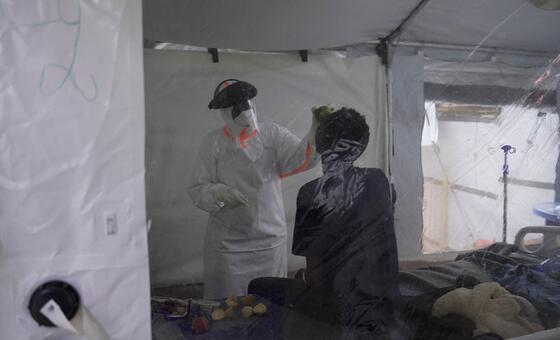
The DRC's Ebola outbreak has surpassed 2,000 deaths, with half occurring in just the last 20 days. Here's what's driving this rapid acceleration and what it means.
The numbers are staggering, and honestly, a little hard to wrap your head around. According to the United Nations, citing officials in the Democratic Republic of the Congo (DRC), the death toll from the Ebola outbreak has now surpassed 2,000 people. What makes this even more alarming is that half of those deaths have occurred in just the last 20 days. That's not a slow burn; that's a wildfire.
### The Rapid Acceleration We're Seeing
When you look at the timeline, the pattern is clear. This outbreak, which is caused by the Bundibugyo virus, has been building momentum, and the recent surge is a major red flag for health officials. It's one thing to see a gradual climb in cases over several months, but when you see half of the total fatalities crammed into a three-week window, it suggests the virus is spreading faster than the response can keep up with.
For context, the DRC has dealt with Ebola before, but this particular strain, Bundibugyo, is less common than the Zaire strain that caused the devastating West Africa epidemic from 2014 to 2016. It's a reminder that this virus isn't a single, static threat. It mutates, it adapts, and it finds new ways to challenge the public health infrastructure that's trying to contain it.
### The Human Toll Behind the Statistics
It's easy to get lost in the big numbers, but let's break it down. Two thousand deaths isn't just a figure; it's thousands of families who have lost parents, children, and breadwinners. In many of the affected communities, the fear is just as contagious as the virus itself. People are scared to go to treatment centers because they've heard rumors that they're places where you go to die, not to get better.
That mistrust is a huge hurdle. When health workers can't build trust, they can't track contacts, they can't isolate the sick, and they can't safely bury the dead. And when you can't do those things, the virus just keeps moving. It's a brutal cycle that demands not just medical solutions, but community engagement and education.
### What's Being Done to Fight the Spread
So, what's the response looking like on the ground? Here's a quick look at the key strategies being deployed:
- **Vaccination campaigns:** The rVSV-ZEBOV vaccine has been effective against the Zaire strain, but there's a question of how well it protects against Bundibugyo. Researchers are working to adapt.
- **Community outreach:** Teams are going door-to-door to dispel myths and encourage people to seek care early. This is slow, painstaking work.
- **Safe burial practices:** Traditional burial rites can involve close contact with the deceased, which is a major transmission risk. Health teams are working with local leaders to modify these practices safely.
### The Road Ahead
The next few weeks are critical. If the current trajectory holds, we could easily see this death toll climb even higher. But there's also a chance to turn the tide. The fact that the UN is sounding the alarm is a sign that international attention is focused here, and that can bring resources and expertise to the region.
It's a grim reminder that infectious diseases don't respect borders. A crisis in the DRC is a threat to global health security, which means it's a problem for all of us, even if we're thousands of miles away. The best thing we can do is stay informed, support the organizations working on the front lines, and hope that the next 20 days bring a different kind of headline.