Ebola's Latest Move in DRC Puts Displacement Camps on High Alert
Robert Davis ·
Listen to this article~4 min
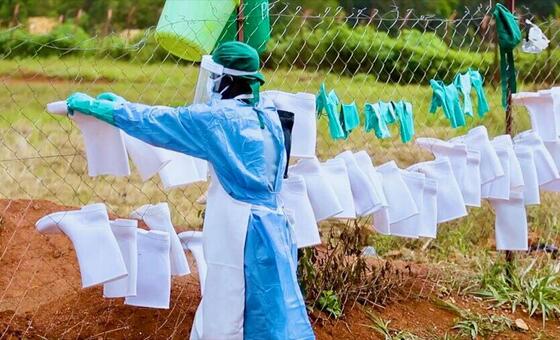
UN agencies are on high alert as the Bundibugyo Ebola strain hits displacement camps in the DRC, infecting 19 and killing 5. Here's what's happening and why it matters globally.
When you hear about Ebola, it's easy to think of it as a distant problem—something that happens elsewhere. But the reality is that outbreaks don't stay neatly contained, and the latest news from the Democratic Republic of Congo (DRC) proves just how quickly things can escalate.
United Nations humanitarian agencies are now on high alert. Here's why: the rapidly spreading Bundibugyo strain of Ebola has infected 19 internally displaced people, and tragically, five of them have already died. The UN Refugee Agency (UNHCR) confirmed the news, and it's a stark reminder that a health crisis in one corner of the world can ripple outward in ways we don't always anticipate.
### What Is the Bundibugyo Strain?
Most people have heard of the Zaire strain of Ebola—it's the one that caused the massive West Africa outbreak in 2014. But Bundibugyo is different. It's a rarer strain, first identified in Uganda back in 2007. While it tends to have a lower mortality rate than Zaire, it's still incredibly dangerous, especially in areas with limited healthcare infrastructure.
This strain spreads through direct contact with bodily fluids, which makes containment tricky in crowded settings. And that's exactly what makes displacement camps so vulnerable.
### The Challenge of Containing a Virus in a Camp
Imagine living in a camp where you're already dealing with limited water, cramped shelters, and shared latrines. Now add a highly contagious virus to that mix. It's a perfect storm.
Displacement camps are designed to be temporary, but many people end up staying for months or even years. That means:
- Close quarters make social distancing nearly impossible
- Shared cooking and washing areas create multiple points of transmission
- Limited medical supplies mean early symptoms are often missed
- Trust issues with authorities can slow down contact tracing
These aren't just logistical problems—they're life-and-death challenges that require a coordinated response.
### Why This Matters Beyond the DRC
You might be wondering why this should matter to you, especially if you're miles away in the United States. Here's the thing: outbreaks don't respect borders. The more the virus spreads, the higher the chance it reaches urban centers, then international airports, then the rest of the world.
In 2014, we saw how a single case in a crowded city led to a global panic. The world has gotten better at responding since then, but the threat is still real. When UN agencies ramp up their alert level, it's not just about protecting one country—it's about protecting everyone.
### What the UN Is Doing Right Now
UNHCR, along with the World Health Organization (WHO) and other partners, is moving quickly. They're setting up isolation zones within the camps, training local health workers, and working with community leaders to spread accurate information.
One of the biggest hurdles is misinformation. In past outbreaks, rumors about vaccines or treatment centers have caused people to hide symptoms or avoid seeking help. That's why community engagement is just as important as medical supplies.
### A Call for Global Attention
The situation in the DRC is a reminder that global health is a shared responsibility. We can't afford to look away just because the crisis isn't happening in our backyard. Whether it's funding for vaccine research or support for local healthcare systems, every little bit helps.
For now, the focus is on containing the spread and protecting the most vulnerable. But the long-term goal should be building stronger health systems everywhere, so that the next outbreak doesn't have to become a global emergency.
Stay informed, stay compassionate, and remember—this isn't just their problem. It's ours.