The Ebola Outbreak in Congo Just Hit a Grim Milestone
William Taylor ·
Listen to this article~4 min
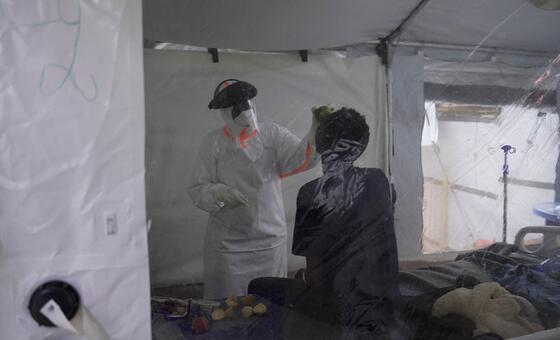
The Ebola outbreak in the Democratic Republic of the Congo has surpassed 2,000 deaths, with half occurring in just 20 days. Here's why the virus is spreading so fast.
The Democratic Republic of the Congo is facing a public health crisis that keeps getting harder to ignore. According to the United Nations, citing local authorities, the death toll from the Ebola virus—officially known as the Bundibugyo strain—has now surpassed two thousand people. That's a staggering number, but here's what makes it even more alarming: half of those deaths occurred in just the last twenty days.
When you stop and think about that timeline, it really puts the situation into perspective. This isn't a slow-burning issue that's been creeping along for years. The virus is accelerating, and the recent spike in fatalities suggests that containment efforts are struggling to keep pace. For the people living in the affected regions, every single day brings new uncertainty and heartbreak.
### What Is the Bundibugyo Strain?
You might be wondering why this particular outbreak is being called the Bundibugyo virus. It's named after the region in Uganda where it was first identified back in 2007. It's one of the six known species of the Ebola virus, and while it's historically been less common than the Zaire strain, it's no less dangerous. The symptoms are similar—fever, severe headache, muscle pain, fatigue, and in many cases, internal and external bleeding.
What makes this strain particularly concerning is how quickly it can spread in densely populated areas. The virus transmits through direct contact with bodily fluids, which means that healthcare workers, family members, and even funeral attendees are all at significant risk. It's a brutal reminder of how fragile our public health systems can be when faced with an outbreak of this magnitude.
### Why the Death Toll Is Rising So Quickly
There are several factors at play here, and none of them are easy to untangle. First, there's the issue of community mistrust. In some areas, locals have been hesitant to accept help from international aid workers, partly due to historical grievances and partly due to misinformation spreading on social media. When people don't trust the responders, they're less likely to report symptoms or seek treatment early.
Second, the region's infrastructure is stretched thin. Many of the affected communities are in remote areas with limited access to clean water, proper sanitation, and medical facilities. That makes it incredibly difficult to implement the kind of rigorous contact tracing and isolation protocols that have worked in past outbreaks elsewhere.
- Limited access to vaccines and treatments in rural areas
- Difficulty tracking and isolating contacts due to population movement
- Overstretched healthcare workers dealing with fatigue and burnout
It's also worth noting that the ongoing political instability in parts of the DRC has complicated the response. When conflict disrupts supply chains and forces people to flee their homes, the virus finds new opportunities to jump from one community to another.
### A Global Concern That Demands Attention
This isn't just a problem for the DRC. In our interconnected world, a virus that's spreading unchecked in one region can quickly become a threat to others. That's why the UN and various international health organizations are urging for more funding and support. But money alone won't solve this. It's going to take a coordinated effort that includes local leaders, community engagement, and a serious investment in public health infrastructure.
For now, the message from experts is clear: we need to act fast, and we need to act together. The next twenty days could be even more devastating than the last, unless we find a way to turn the tide.
If you're looking for a silver lining, it's this—we know more about Ebola now than we ever have before. We have vaccines, we have treatments, and we have the knowledge to stop this. The question is whether we have the will and the resources to do it in time.