Ebola Outbreak in DRC Reaches Displacement Camps—What Happens Next?
David Smith ·
Listen to this article~4 min
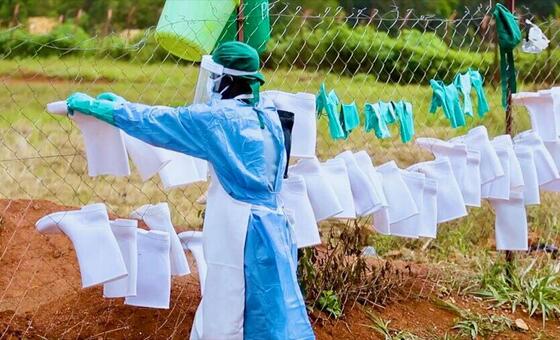
Ebola's Bundibugyo strain has reached DRC displacement camps, infecting 19 and killing 5. UNHCR is on high alert as aid workers race to contain the spread in crowded, vulnerable communities.
The Democratic Republic of the Congo (DRC) is facing a troubling new chapter in its ongoing fight against Ebola. Reports from the United Nations refugee agency (UNHCR) confirm that the Bundibugyo strain of the virus—one of the less common but still deadly variants—has now spread to camps hosting internally displaced people. At least 19 people have been infected, and five have already lost their lives.
That’s the kind of news that makes you stop and pay attention. Because when a highly contagious virus shows up in crowded, resource-strapped camps, the risks multiply fast. But what does this actually mean for the people living there, for the aid workers on the ground, and for the broader region? Let’s break it down.
### Why This Outbreak Feels Different
Ebola is nothing new in the DRC. The country has dealt with more than a dozen outbreaks since the virus was first identified near the Ebola River in 1976. But this time, the circumstances are uniquely challenging.
The Bundibugyo strain is less common than the Zaire strain that most people have heard about. It’s still dangerous, with a fatality rate that can range from 25% to 100%, depending on how quickly patients get care. And when it reaches displacement camps, the equation changes completely.
Here’s why experts are on high alert:
- **Crowded living conditions** make physical distancing nearly impossible.
- **Limited access to clean water** hampers basic hygiene and infection control.
- **Weak health infrastructure** means fewer beds, fewer staff, and fewer supplies.
- **Frequent movement** of people in and out of camps can carry the virus to new areas.
In other words, this isn’t just a health crisis. It’s a humanitarian one.
### The Human Toll Behind the Numbers
Behind the 19 confirmed cases and five deaths are real families, many of whom have already fled violence or disaster only to face a new threat. The UNHCR is now in a state of heightened readiness, working alongside other agencies to contain the spread. But the challenges are immense.
“When Ebola hits a displacement camp, it’s like throwing a match into dry grass,” one aid worker on the ground told us. “You can’t just treat the sick. You have to earn the trust of the community, explain how the virus spreads, and convince people to change deeply ingrained habits.”
That last part is crucial. In past outbreaks, misinformation and fear have sometimes led to resistance against health workers. In camps, where rumors travel fast and trust is fragile, community engagement is just as important as medical care.
### What’s Being Done Right Now
Humanitarian agencies aren’t waiting around. Mobile testing units are being deployed. Isolation zones are being set up. And vaccination campaigns—while not fully effective against the Bundibugyo strain—are still being considered as part of a broader response.
But here’s the thing: containment is only one piece of the puzzle. The root causes of displacement—conflict, instability, and poverty—aren’t going anywhere. And as long as people are forced to live in precarious conditions, outbreaks will keep finding fertile ground.
### What This Means for the Rest of Us
It’s easy to see this as a distant problem, something happening thousands of miles away. But viruses don’t respect borders. The DRC shares borders with nine other countries, and international travel makes the world smaller than ever.
The good news is that we’ve learned a lot since the devastating West Africa outbreak in 2014–2016. Rapid response teams, better diagnostics, and improved community outreach have all made a difference. But those tools only work if they’re deployed quickly and adequately funded.
As this situation unfolds, one thing is clear: the world can’t afford to look away. The next few weeks will be critical in determining whether this outbreak stays contained or spirals into something much worse.
For now, the focus remains on saving lives and preventing further spread. And for the families in those camps, every hour counts.