The Ebola Outbreak in DRC Is Doubling Faster Than Anyone Expected
Sarah Williams ·
Listen to this article~4 min
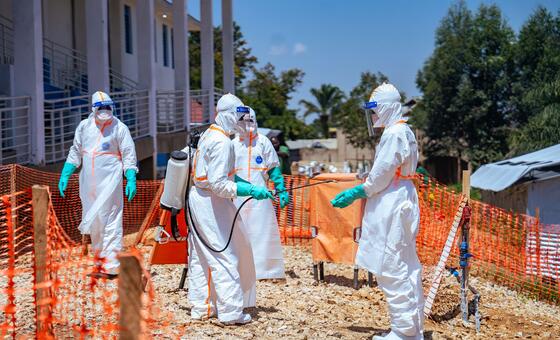
The Ebola outbreak in the DRC is doubling every 20 days, and the UN is racing to contain it. Here's what's happening on the ground and why the pace matters.
When the numbers behind a health crisis start doubling every few weeks, it's time to pay close attention. That's exactly what's happening right now in the Democratic Republic of Congo, where the latest Ebola outbreak is growing at a pace that's hard to wrap your head around.
United Nations humanitarian teams are on the ground, ramping up their response as fast as they can. But the reality is stark: every 20 days, the scale of this outbreak is doubling. That's not a slow burn—it's a fire that's picking up momentum.
### What the UN Is Saying Right Now
On Wednesday, Tom Fletcher, the UN's Emergency Relief Coordinator, made it clear that the organization is not backing down. He stressed that humanitarian workers are intensifying their efforts across the affected regions, even as challenges mount.
This isn't just another update from a distant crisis. It's a signal that the situation is evolving quickly, and the window to contain it may be closing faster than anyone hoped.
### Why the Doubling Rate Matters So Much
Here's the thing about exponential growth: it feels slow at first, then it hits you all at once. If the outbreak doubles every 20 days, the difference between acting today and acting in a month isn't just a little more work—it's a completely different ballgame.
- **Day 0:** 100 confirmed cases
- **Day 20:** 200 cases
- **Day 40:** 400 cases
- **Day 60:** 800 cases
Those aren't exact numbers, but they show the pattern. Every delay multiplies the effort needed later. That's why the UN is pushing hard now, not waiting to see how things play out.
### The Challenges on the Ground
The DRC is no stranger to Ebola, but this outbreak brings its own set of hurdles. Remote communities, limited infrastructure, and ongoing insecurity in certain areas make it tough for responders to move quickly. It's not just about having the right medical supplies—it's about getting them to the right places safely.
Local health workers are the backbone of this response. They know the communities, they speak the languages, and they've done this before. But they're stretched thin, and they need support from the international community to keep going.
### What's Being Done to Fight Back
The UN and its partners are focusing on several key fronts simultaneously:
- **Surveillance:** Tracking new cases and tracing contacts to break the chains of transmission
- **Vaccination:** Deploying Ebola vaccines to protect frontline workers and at-risk populations
- **Community engagement:** Working with local leaders to build trust and encourage safe practices
- **Logistics:** Moving supplies, equipment, and personnel to where they're needed most
It's a massive operation, and it's happening in real time. Every day counts, and the teams on the ground know that better than anyone.
### Why This Should Matter to You
You might be reading this from thousands of miles away, and it's easy to feel like this doesn't touch your life. But outbreaks don't respect borders. The faster we help contain this one, the less likely it is to become a bigger problem down the road.
Plus, there's a human element that's impossible to ignore. Behind every statistic is a family, a community, a person who's scared and hoping for help. The UN's work isn't just about numbers—it's about saving lives.
### The Bottom Line
The Ebola outbreak in the DRC is doubling every 20 days, and the response is racing to keep up. It's a challenging moment, but it's not hopeless. With sustained effort, international support, and the dedication of local workers, this can be contained.
The key is speed. The longer we wait, the harder it gets. The UN is asking for attention and resources now, not later. And honestly, that's a request worth taking seriously.
Stay informed, stay aware, and remember that global health is a shared responsibility. What happens in the DRC doesn't stay in the DRC—it affects all of us.