Ebola Outbreak Reaches Displacement Camps in Congo: What We Know
Robert Taylor ·
Listen to this article~5 min
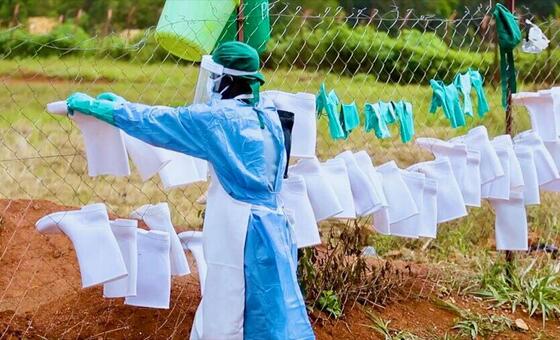
Ebola has reached displacement camps in the DRC, infecting 19 displaced people and killing 5. Here's what we know about the Sudan strain and the urgent response needed.
The Democratic Republic of the Congo is facing a serious escalation in its ongoing Ebola crisis. What started as a contained outbreak has now spread to camps housing people who have already fled violence and instability. That's a double blow for communities that have nowhere left to run.
United Nations humanitarian agencies have raised the alarm. The UN Refugee Agency (UNHCR) confirmed that at least 19 internally displaced people have contracted the Sudan strain of the virus. Five of them have already died. These aren't just statistics—these are families who left everything behind, only to find themselves in the path of a deadly disease.
### Why the Sudan Strain Is Different
Here's the thing that makes this outbreak particularly worrying: the Sudan strain isn't the same as the more famous Zaire strain that dominated past outbreaks. There's no proven vaccine for it yet. That means the usual playbook—vaccinating frontline workers and contacts—isn't fully available this time.
The virus spreads through direct contact with bodily fluids. It's not airborne. But in crowded camps where water is scarce and sanitation is minimal, those simple facts don't offer much comfort. Every handshake, every shared cup, every crowded shelter becomes a potential transmission point.
### The Camps: A Perfect Storm
Displacement camps in the DRC are already stretched thin. People live in close quarters. There's limited access to clean water, soap, and medical care. Now you add a highly infectious virus into that mix, and you have a recipe for rapid spread.
UNHCR officials are calling for urgent support. They're asking for more medical personnel, more testing kits, and more isolation facilities. But here's the reality: even the best response on the ground can only do so much when the underlying conditions remain so fragile.
### What Authorities Are Doing Right Now
Local health teams are working alongside international agencies to trace contacts and isolate suspected cases. It's a race against time. Every hour counts when you're dealing with a virus that can kill within days.
- Contact tracing teams are going door-to-door in affected neighborhoods
- Emergency isolation units are being set up near the camps
- Public health messaging is being broadcast in local languages
- Burial teams are being trained to handle remains safely
But the response is underfunded. Agencies are running on fumes, and the longer the outbreak continues, the harder it becomes to contain.
### The Bigger Picture
This outbreak didn't happen in a vacuum. The DRC has been dealing with armed conflict and displacement for decades. The camps exist because people have been forced from their homes by violence. Now they're being hit by something even more invisible and unforgiving.
There's also a deeper concern: if the virus spreads beyond the camps into major cities, the death toll could climb dramatically. Urban outbreaks are notoriously hard to control. We saw that with Ebola in West Africa in 2014, and with COVID-19 everywhere.
### What Can Be Done
Right now, the most urgent needs are simple but critical: clean water, soap, medical supplies, and trained health workers. Beyond that, there's a need for community engagement. People need to understand how the virus spreads and what they can do to protect themselves and their families.
Mistrust is also a factor. Some communities are skeptical of outside help, especially after years of broken promises. Building trust takes time—time we don't have during an outbreak.
### The Bottom Line
This is a moment that calls for international attention. The outbreak is still containable, but only if resources arrive quickly and coordination improves. Every day of delay means more infections, more deaths, and a higher chance that this spills over into neighboring countries.
The people in those camps have already lost so much. They deserve better than to be forgotten. And we all have a stake in stopping this before it becomes the next global health emergency.
Stay informed. Follow credible sources. And if you can, support organizations working on the ground. This is one of those moments where the world's response matters more than we might realize.