Ebola Outbreak Reaches Displacement Camps in Congo: What We Know
Michael Harrison ·
Listen to this article~5 min
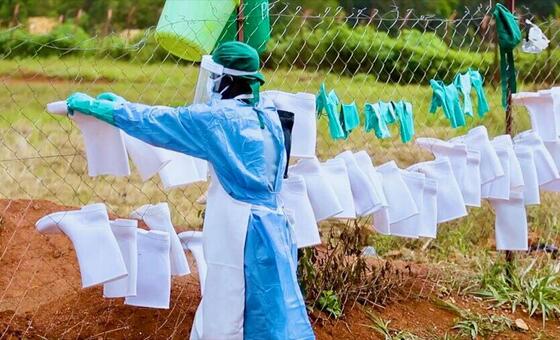
UN agencies are on high alert as the Bundibugyo Ebola strain spreads to displacement camps in the DRC, infecting 19 people and killing 5. Here's what's happening and why it matters.
The situation in the Democratic Republic of Congo has taken a troubling turn. UN humanitarian agencies are on high alert after reports confirmed that the rapidly spreading Bundibugyo strain of Ebola has infected 19 internally displaced people, five of whom have died. The UN Refugee Agency (UNHCR) broke the news, and it's sending ripples of concern through the global health community.
When we hear about Ebola, it's easy to feel a sense of distance. But this isn't just another headline from across the globe. This is about real people, families who have already fled violence and instability, now facing a new and invisible enemy inside the very camps meant to keep them safe.
### Why This Strain Is Different
The Bundibugyo strain isn't the most famous version of Ebola, but it's no less dangerous. Unlike the Zaire strain that dominated headlines a few years back, Bundibugyo tends to have a slightly lower mortality rate, but it's still deadly serious. What makes it particularly concerning here is the environment where it's now spreading.
Displacement camps are crowded by nature. People live in close quarters, share water sources, and often lack access to proper sanitation. That's a perfect storm for a virus like Ebola, which spreads through direct contact with bodily fluids. When you add in limited healthcare infrastructure, containing an outbreak becomes a race against time.
### The Human Toll Behind the Numbers
Nineteen infections might not sound like a massive number in the context of a global pandemic. But for the families affected, it's everything. Five people have already lost their lives, and those numbers could climb if the outbreak isn't contained quickly.
Think about what that means for someone living in a camp. You've already lost your home, your livelihood, maybe even family members to conflict. Now you're watching a virus creep into your community, and the fear is palpable. The psychological weight of that is immense, and it's something the aid workers on the ground are grappling with every single day.
### What UN Agencies Are Doing Right Now
The response has been swift, but the challenges are steep. UNHCR and its partners are working to isolate suspected cases, trace contacts, and educate camp residents about prevention measures. They're also coordinating with local health ministries to ensure that treatment centers have the supplies they need.
- Setting up isolation units within or near the camps
- Distributing hygiene kits and clean water supplies
- Training local health workers on safe burial practices
- Launching community awareness campaigns in local languages
These steps sound straightforward on paper, but in practice, they're logistically demanding. Roads are often impassable, security can be fragile, and mistrust of outsiders sometimes hampers the response. It's a delicate balancing act.
### The Bigger Picture
Here's the thing about outbreaks in conflict zones: they don't stay contained for long. Movement is constant. People travel between camps and surrounding villages for work, family, or supplies. That means this outbreak has the potential to spill over into larger urban centers if it isn't stopped at the source.
The World Health Organization has been tracking this closely, and the message is clear. Early detection and rapid response are the only tools that work. Every day of delay increases the risk of a much larger catastrophe.
### What You Can Do
You might be reading this from the comfort of your home in the United States, feeling helpless. But there are ways to make a difference. Supporting reputable humanitarian organizations financially is the most direct way to help. These agencies need funding to deploy teams, buy supplies, and sustain their operations over the long haul.
It's also worth staying informed. The situation in the DRC is fluid, and understanding it helps build pressure on governments and international bodies to remain engaged. Silence and indifference are the real enemies here.
### A Fragile Hope
There's no sugarcoating the severity of this situation. But there's also room for cautious optimism. We've learned a lot about Ebola since the devastating West African outbreak of 2014. Vaccines exist, treatments have improved, and response protocols are more refined than ever before.
The next few weeks will be critical. If the outbreak can be contained within the camps, we might avoid a much larger crisis. If not, we could be looking at a humanitarian disaster of significant proportions.
For now, all we can do is watch, wait, and hope that the brave men and women on the front lines get the support they desperately need. The people in those camps deserve better than what they've been dealt, and the world has a responsibility to step up.