Ebola Outbreak Reaches Displacement Camps in Congo
William Smith ·
Listen to this article~5 min
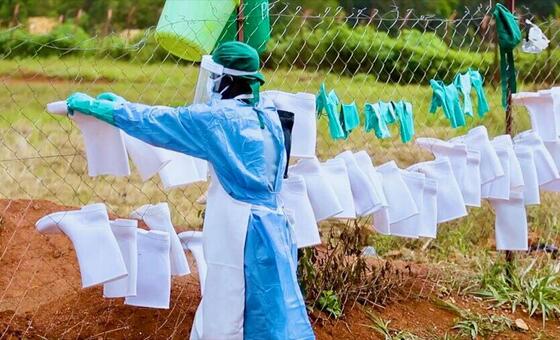
Ebola's Bundibugyo strain has reached displacement camps in the DRC, infecting 19 displaced people and killing 5. UN agencies are on high alert as the virus threatens vulnerable camp populations.
The Democratic Republic of Congo is facing a worrying new chapter in its ongoing fight against Ebola. Reports from the United Nations refugee agency confirm that the Bundibugyo strain of the virus has now reached camps housing internally displaced people, putting thousands of vulnerable families at risk.
So far, 19 displaced individuals have tested positive for the virus, and tragically, five of them have already lost their lives. These numbers might seem small on a global scale, but for the people living in these crowded camps, they represent a very real and immediate threat.
### Why This Matters Right Now
When Ebola shows up in a displacement camp, the stakes are completely different than in a regular community. Camps are designed for temporary shelter, not for managing infectious disease outbreaks. Think about it: families are living in close quarters, sharing water points, and relying on communal sanitation facilities. Social distancing isn't just difficult—it's practically impossible.
UN humanitarian agencies are now on high alert, and for good reason. The conditions in these camps create a perfect storm for rapid transmission. A single undetected case can quickly become dozens, then hundreds, if containment measures aren't implemented immediately.
### The Bundibugyo Strain: What You Should Know
You've probably heard the most about the Zaire strain of Ebola, which caused the devastating West Africa outbreak in 2014. But the Bundibugyo strain is different. It was first identified in Uganda back in 2007 and tends to have a lower mortality rate than its more famous cousin. That's the good news.
Here's what makes this situation particularly challenging:
- Bundibugyo still spreads through direct contact with bodily fluids, so hygiene is critical
- The symptoms—fever, muscle pain, headache, and fatigue—mimic many other common illnesses, making early detection tricky
- There's no licensed vaccine specifically for this strain, though experimental treatments are available
### The Human Cost Behind the Numbers
It's easy to get lost in statistics, but let's step back for a moment. Behind those 19 confirmed cases are real people who have already fled violence or disaster, only to face another crisis. They've lost their homes, their livelihoods, and now they're watching a deadly virus creep into their temporary shelters.
The five people who died weren't just case numbers on a spreadsheet. They were mothers, fathers, children, and neighbors. Their deaths are a stark reminder that this outbreak isn't just a public health issue—it's a humanitarian one.
### What Happens Next
Humanitarian agencies are mobilizing rapid response teams to the affected camps. The focus right now is on three key priorities:
1. **Isolation and treatment** — Setting up dedicated Ebola treatment units near the camps to keep infected individuals separated from healthy populations
2. **Contact tracing** — Finding everyone who may have come into contact with confirmed cases and monitoring them closely for symptoms
3. **Community education** — Teaching camp residents about how the virus spreads and what they can do to protect themselves and their families
There's also a critical need for safe burial practices. In many affected communities, traditional funeral rites involve close contact with the deceased, which can accelerate transmission. Health workers are working with community leaders to find culturally sensitive ways to address this.
### The Bigger Picture
The DRC has been dealing with Ebola outbreaks for decades, and each time, they've managed to contain them eventually. But the displacement crisis adds a new layer of complexity. The country currently hosts millions of internally displaced people, many of whom have been forced from their homes by ongoing conflict in the eastern provinces.
When you combine insecurity, displacement, and a deadly virus, you get a recipe for a potential regional catastrophe. That's why the international community is watching this situation so closely.
For now, the message from UN agencies is clear: this outbreak can still be contained, but it requires swift action, adequate funding, and unfettered access to the affected areas. The window of opportunity is narrow, and every day counts.
We'll continue to follow this story as it develops. If you want to understand the full scope of the situation, keep an eye on updates from the UN refugee agency and the World Health Organization. This is one of those moments where global attention genuinely matters.