Ebola Outbreak Reaches DRC Camps for Displaced Families
Jennifer Taylor ·
Listen to this article~4 min
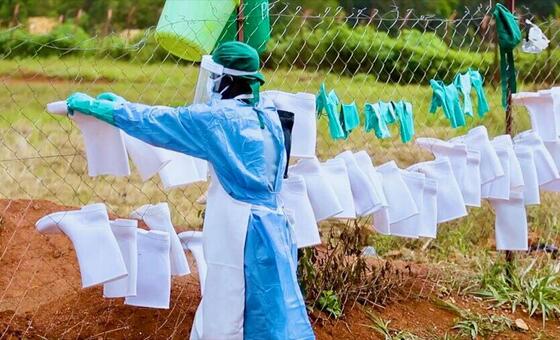
UNHCR confirms 19 displaced people in DRC camps contracted the Bundibugyo Ebola strain, with five deaths. Humanitarian teams are racing to contain the outbreak.
The Democratic Republic of the Congo is facing a worrying new chapter in its fight against Ebola. The United Nations refugee agency, UNHCR, has confirmed that 19 internally displaced people have contracted the Bundibugyo strain of the virus, and five of them have already died. That news has put humanitarian teams on high alert, and for good reason.
When Ebola shows up in a crowded camp, the risks multiply fast. Families are living shoulder to shoulder in temporary shelters, often with limited access to clean water or soap. Containment becomes a race against time, and the margin for error is razor thin.
### Why This Strain Is Different
The Bundibugyo strain isn't the same one that caused the massive West Africa outbreak a decade ago. It's rarer, and it tends to spread a bit differently. But that doesn't make it less dangerous, especially in settings where people are already vulnerable.
Health workers know how to respond, but they need room to move. In a camp, every new case means tracing dozens of contacts, setting up isolation units, and convincing scared families to trust the process. That's hard work under the best conditions, and these are far from the best conditions.
### What's Happening on the Ground
UNHCR and its partners are now coordinating with local health officials to stop the spread. The priority is straightforward:
- Isolate confirmed cases quickly
- Track down everyone who may have been exposed
- Ramp up hygiene and sanitation efforts in the camps
- Educate residents on symptoms and prevention
It sounds simple on paper, but in practice, it's a logistical nightmare. Roads are rough, resources are stretched, and the clock is ticking.
### The Human Toll Behind the Numbers
Nineteen cases might not sound like a lot compared to other outbreaks, but for the people living in those camps, it's everything. Each number represents a mother, a father, a child. Each death leaves a family shattered and a community on edge.
Displaced families already lost their homes, their livelihoods, and often their loved ones before they even reached the camp. Now they're being asked to face yet another threat, and they're doing it with remarkable resilience.
### What Comes Next
There's no easy answer here. The outbreak is moving fast, and the response has to move faster. Humanitarian agencies are calling for more support, both in terms of funding and personnel. They need mobile labs, protective gear, and trained staff who can work safely in these environments.
But they also need something less tangible: trust. People in these camps have been through a lot, and they're understandably wary of outsiders. Building that trust takes time, patience, and a willingness to listen.
### Why This Matters Beyond the DRC
Ebola doesn't respect borders. If this outbreak isn't contained, it could spill into neighboring countries and beyond. That's why the world should be paying attention right now, not just the agencies working on the front lines.
The next few weeks will be critical. If the response holds, this could be a contained incident. If it doesn't, we could be looking at a much larger crisis. For now, the focus is on the camps, the families, and the health workers who are doing everything they can to keep a bad situation from getting worse.