Ebola Outbreak Reaches DRC Displacement Camps: What Happens Now?
Sarah Miller ·
Listen to this article~5 min
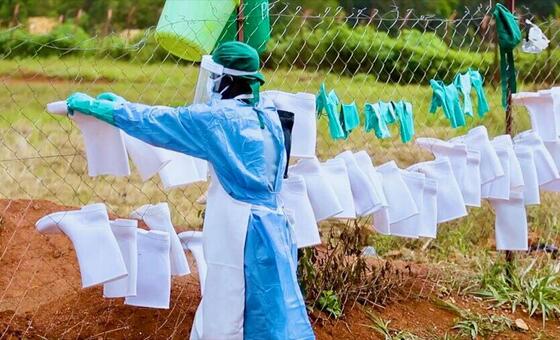
Ebola has reached displacement camps in the DRC, infecting 19 people and killing five. Here's why this spread is dangerous and what aid groups are doing now.
The Democratic Republic of the Congo is facing a worrying new chapter in its ongoing battle against Ebola. Reports now confirm that the Bundibugyo strain of the virus has spread to camps for internally displaced people (IDPs), putting thousands of vulnerable families at risk.
According to the UN Refugee Agency (UNHCR), at least 19 displaced individuals have tested positive for the virus, and tragically, five of them have already died. Humanitarian teams are now scrambling to contain what could become a much larger crisis.
### Why This Spread Is Different
This isn't the first time the DRC has dealt with Ebola, but the context here makes it uniquely dangerous. Displacement camps are crowded by nature. People live in close quarters, share water sources, and often lack access to proper sanitation. That combination is a perfect storm for a virus like Ebola to spread quickly.
Here's what makes this situation particularly challenging:
- **Population density**: Camps can house tens of thousands of people in a very small area.
- **Limited healthcare access**: Many IDPs have no easy way to reach a clinic or hospital.
- **Frequent movement**: People move in and out of camps for food, water, or to check on their homes, which can carry the virus to new locations.
### What the UN and Aid Groups Are Doing
UNHCR and other humanitarian agencies are now on high alert. Their immediate priorities are pretty straightforward, but the logistics are anything but simple. They're working to set up isolation zones within the camps, distribute hygiene kits, and ramp up contact tracing to find anyone who might have been exposed.
There's also a massive push to educate people about the symptoms and how to protect themselves. In past outbreaks, community engagement has been the single most effective tool for slowing the spread. When people understand what's happening and trust the responders, they're far more likely to cooperate with quarantine measures and vaccination drives.
### The Human Toll Behind the Numbers
It's easy to get lost in statistics, but let's step back for a second. These 19 people aren't just case numbers. They're mothers, fathers, children, and grandparents who have already survived unimaginable hardship just to reach a camp. They fled violence or disaster, only to now face a deadly virus in a place that was supposed to offer safety.
That's the part that often gets overlooked in news headlines. The psychological weight of this situation is immense. People in these camps are scared, and rightfully so. They've lost their homes, their livelihoods, and now they're watching neighbors fall ill. Trust in outsiders can be thin, which makes the job of aid workers even harder.
### What This Means for the Broader Region
Ebola doesn't respect borders, and the DRC's eastern provinces share porous borders with several neighboring countries. If the virus takes hold in the camps, there's a real risk it could spill over into Uganda, Rwanda, or South Sudan. That's why the international community is watching this situation so closely.
Previous outbreaks have shown that early, aggressive action is the key to keeping things under control. The response needs to be fast, well-funded, and coordinated. Delays at this stage could mean the difference between a contained outbreak and a full-blown regional emergency.
### Looking Ahead
The next few weeks will be critical. Aid agencies are doing everything they can, but they need support, both financial and logistical, from the global community. The situation in the DRC is a stark reminder that health crises often hit the most vulnerable people the hardest.
For now, the focus is on containment and care. Every new case that's isolated quickly is a small victory. Every person who survives is a testament to the resilience of the human spirit. But there's a long road ahead, and the world can't afford to look away.
Stay informed, and if you can, consider supporting reputable humanitarian organizations working on the ground. Sometimes, the most powerful thing we can do from thousands of miles away is to make sure those on the front lines have what they need to keep fighting.