Ebola's Latest Surge: Over 2,000 Dead in DR Congo Outbreak
Klaus Hoffmann ·
Listen to this article~5 min
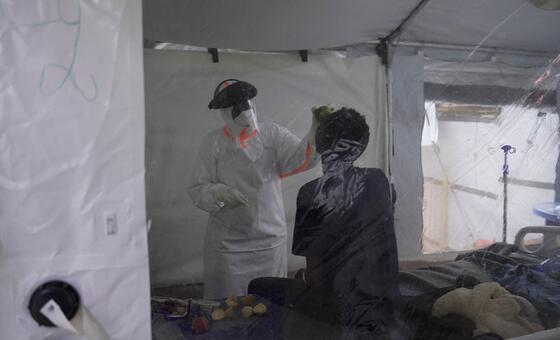
Ebola deaths in DR Congo top 2,000, with half occurring in the last 20 days. Learn why the outbreak is accelerating and what's being done to stop it.
The Democratic Republic of the Congo is facing a devastating milestone in its ongoing battle with Ebola. According to the United Nations, citing DRC authorities, the death toll from the Ebola virus—technically caused by the Bundibugyo strain—has now surpassed 2,000 people. That's a staggering number on its own, but here's what makes this situation even more alarming: half of those deaths have occurred in just the last 20 days.
This isn't just a statistic. Behind every one of those numbers is a family mourning a parent, a child, a neighbor. And the rapid acceleration of fatalities suggests the outbreak is spiraling out of control, even as health workers race to contain it.
### Why the Sudden Spike?
You might be wondering how a virus that we've known about for decades can still cause this kind of havoc. The answer is complicated. The DR Congo's eastern provinces, where this outbreak is centered, are some of the most challenging places on Earth to deliver healthcare. We're talking about remote villages separated by miles of dense jungle, where roads turn to mud during the rainy season, and where conflict between armed groups has forced many health clinics to shut down entirely.
That combination—geographic isolation and active violence—creates a perfect storm for a contagious disease. When Ebola reaches a community, it spreads quickly because people often don't have access to basic medical care, let alone the specialized treatment needed to survive the virus.
### The Human Cost Beyond the Numbers
What's often lost in these headline numbers is the ripple effect on everyday life. In affected areas, schools have closed. Markets are empty. Farmers are afraid to tend their fields. The economic toll is immense, with families losing their primary breadwinners and communities struggling to rebuild.
One local health worker described it as "fighting a fire with a bucket of water." That's a powerful image, and it gets at the frustration many feel. The world has the tools—effective vaccines, experimental treatments, and trained responders—but getting those resources to the people who need them most is a logistical nightmare.
### What's Being Done
The international community hasn't stood still. The World Health Organization has deployed teams, and neighboring countries are screening travelers at border crossings. But the response has been hampered by funding shortfalls and security concerns. Vaccination campaigns are underway, though reaching every at-risk person remains a monumental task.
Here's a quick look at the key challenges:
- **Security risks**: Aid workers have been attacked, and some areas are simply too dangerous to enter.
- **Mistrust**: Decades of conflict have bred suspicion of outsiders, and some communities resist medical interventions.
- **Logistics**: Supplying cold-chain vaccines to remote villages requires helicopters and careful planning.
### The Bigger Picture
This outbreak is a stark reminder that viruses don't respect borders or politics. What happens in the DR Congo doesn't stay in the DR Congo. A single traveler could carry the virus to a crowded city, and suddenly we're dealing with a global health emergency again.
We've seen this movie before. The 2014-2016 West Africa Ebola epidemic killed more than 11,000 people and exposed how ill-prepared the world was for a major outbreak. We've made progress since then, but the current situation shows we still have a long way to go.
### What Can You Do?
It's easy to feel helpless when you're thousands of miles away. But staying informed is a start. Understanding how these outbreaks begin, spread, and are contained helps build public pressure on governments and international bodies to act decisively.
You can also support reputable humanitarian organizations that are on the ground in the DR Congo. They need funding for everything from basic protective gear to community outreach programs that build trust. Every dollar helps, and even small donations can make a real difference in saving lives.
### Looking Ahead
The next few weeks will be critical. If the current trajectory continues, the death toll could climb even higher. But there's also reason for hope. We have better tools than ever before, and the people of the DR Congo are resilient. With the right support, this outbreak can be contained.
The key is not to look away. Because when we look away, we miss the chance to help. And when we miss that chance, more families lose loved ones to a disease that we know how to prevent.