Ebola's Toll in Congo Surpasses 2,000 as Virus Spreads Fast
Margriet Bos ·
Listen to this article~4 min
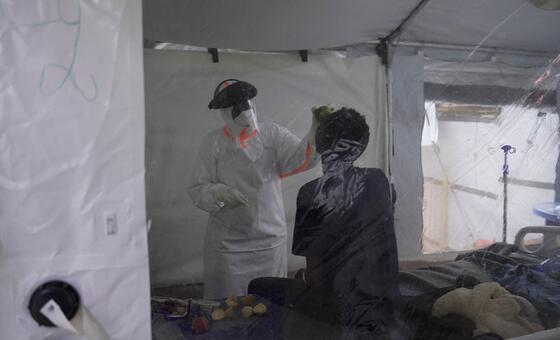
Ebola deaths in the DRC have surpassed 2,000, with half occurring in just 20 days. The UN warns of rapid spread, and health workers are racing to contain the crisis.
The numbers are staggering, and they keep climbing. Health officials in the Democratic Republic of Congo (DRC) are facing a crisis that shows no signs of slowing down. The Ebola outbreak, driven by the Bundibugyo virus, has now claimed more than 2,000 lives, and what's even more alarming is that half of those deaths happened in just the last three weeks.
When you hear a statistic like that, it's easy to feel numb. But behind each number is a family, a community, and a story of loss. The United Nations, citing DRC authorities, is sounding the alarm, and the world is watching closely as the virus continues its rapid spread.
### What's Different About This Outbreak?
This isn't the first time Ebola has hit the DRC, but the current situation feels different. The Bundibudgyo strain, while less common than the Zaire strain, is still deadly. It spreads through direct contact with bodily fluids, and in densely populated areas, that can be a recipe for disaster.
Health workers on the ground are stretched thin. They're dealing with remote villages, limited infrastructure, and a level of mistrust that makes containment even harder. It's a perfect storm, and the numbers reflect that reality.
### The Human Toll in Perspective
To put this in perspective, 2,000 deaths is roughly the population of a small town. Imagine an entire community wiped out in a matter of months. The outbreak has hit healthcare workers especially hard, with many losing their lives while trying to save others.
Here's what we know so far:
- Over 2,000 confirmed deaths from Ebola, with the Bundibugyo virus as the cause
- Half of all fatalities occurred within the last 20 days, showing an accelerating trend
- The UN is coordinating with DRC officials to ramp up response efforts
- Vaccination campaigns are underway, but access remains a major hurdle
### Why Is the Virus Spreading So Quickly?
There's no single answer. It's a mix of factors that have come together at the worst possible time. For starters, the affected regions are hard to reach. Roads are scarce, and some villages are only accessible by foot or small aircraft. That makes it tough to deliver vaccines and medical supplies.
Then there's the cultural side. Many communities have traditional burial practices that involve close contact with the deceased, which can inadvertently spread the virus. Health teams are working with local leaders to adapt these rituals safely, but change takes time.
### What's Being Done Right Now
The response is ramping up, but it's a race against the clock. The UN has deployed additional teams to the region, and mobile labs are being set up to speed up diagnosis. There's also a push to expand the use of experimental treatments that have shown promise in previous outbreaks.
But here's the thing: this isn't just a medical problem. It's a logistical one, a social one, and a political one. Without trust from local communities, even the best science won't be enough. That's why outreach workers are going door to door, answering questions and addressing fears.
### A Glimmer of Hope
Despite the grim numbers, there are reasons to be cautiously optimistic. The Ebola vaccine has proven effective in past outbreaks, and the current one is no exception. The challenge is getting enough doses to the right places at the right time.
Every day counts. The difference between 2,000 deaths and 3,000 could come down to how quickly resources are mobilized in the coming weeks. The world has the tools to stop this; the question is whether we'll act fast enough.
For now, the focus remains on saving lives. And while the situation is dire, it's not hopeless. With continued global support, the DRC can turn the tide. But it will take a coordinated effort, and it will take time.