Escalation in Gulf: UN Chief Urges Iran-US Talks
David Smith ·
Listen to this article~3 min
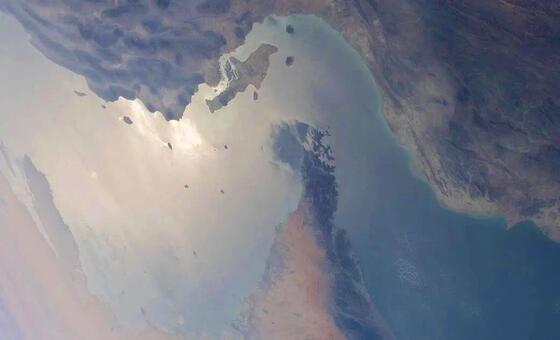
Renewed strikes between Iran and the US in the Persian Gulf raise fears of full-scale war. Washington denies Tehran's claim that the Strait of Hormuz was blocked, but tensions remain high.
### Renewed Strikes Spark War Fears
The recent exchange of strikes between Iran and the United States in the Persian Gulf has sent shockwaves through the region, reigniting fears of a return to full-scale conflict. On Sunday, Tehran claimed that the strategically vital Strait of Hormuz had been blocked, a move that could disrupt global oil supplies. However, Washington quickly denied this assertion, stating that the waterway remains open for navigation.
This isn't just another headline—it's a serious escalation that could impact everything from gas prices at your local pump to the stability of international trade routes. For those of us watching from the United States, it's a reminder of how interconnected our world really is.
### What's Really at Stake?
The Strait of Hormuz is a narrow passageway connecting the Persian Gulf to the Arabian Sea. Roughly 20% of the world's oil passes through it every day. If that route were truly blocked, you'd feel it in your wallet within weeks. Gas prices could spike, and supply chains would get tangled up.
But here's the thing: both sides have a lot to lose. Iran's economy is already struggling under sanctions, and the US doesn't want another prolonged military engagement in the Middle East. So why are we seeing this uptick in tensions?
- **Military posturing**: Both countries are trying to show strength, especially after recent diplomatic breakdowns.
- **Regional alliances**: Iran's support for groups like the Houthis in Yemen adds another layer of complexity.
- **Nuclear concerns**: The stalled nuclear deal talks have left a vacuum, making military escalation more likely.
### The UN's Role in De-escalation
The UN Secretary-General has called for an immediate resumption of negotiations between Iran and the US. It's a smart move—diplomacy is always cheaper than war. But will it work? That depends on whether both sides are willing to compromise.
For now, the situation is fluid. The US insists it's not looking for war, and Iran says it wants stability. But actions speak louder than words. If the strikes continue, we could be looking at a much bigger conflict.
### What This Means for You
If you're in the US, here's what to keep an eye on:
1. **Oil prices**: They're likely to fluctuate in the coming weeks.
2. **Travel advisories**: The State Department may update its guidance for the region.
3. **News cycles**: Expect more coverage of Gulf tensions, especially if the situation escalates.
Bottom line? This is a story worth following closely. The next few days could determine whether we're heading toward diplomacy or disaster.