Only 3% of Gaza's Farmland Is Still Usable — Here's What That Means
Robert Wilson ·
Listen to this article~4 min
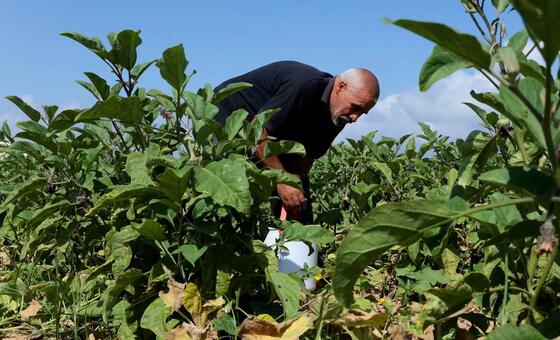
Only 3% of Gaza's farmland remains usable for crops. Here's how conflict has devastated the soil, the farmers fighting to survive, and what it will take to rebuild.
It's a number that's hard to wrap your head around: just three percent of Gaza's farmland remains fit for growing crops. That's not a typo, and it's not an exaggeration. For the farmers who've spent generations tending these fields, it's a devastating reality that's reshaping life in the region.
When you think about Gaza, you might picture crowded cities or news footage of conflict. But beneath that, there's a deeply agricultural society. Orchards, olive groves, and vegetable plots have been the backbone of local communities for decades. Now, with ongoing hostilities, those same fields have become dangerous — and in many cases, unusable.
### The Hidden Cost of Conflict
Farming isn't just a job here; it's a way of life. Families pass down land and knowledge from one generation to the next. But when bombs fall and tanks roll through, that heritage gets buried under rubble and contaminated soil.
The challenges go beyond physical damage. Farmers can't simply walk out to their fields anymore. They face constant risk from unexploded ordnance, restricted access zones, and the simple danger of being in the wrong place at the wrong time. Even when a plot of land looks intact, getting to it safely is another story entirely.
### What's Killing the Soil?
It's not just about craters and destroyed greenhouses. The soil itself has taken a beating. Here's what's happening beneath the surface:
- **Saltwater intrusion**: Coastal aquifers are being over-pumped and contaminated, pushing salt into once-fertile earth.
- **Heavy metal residue**: Munitions and military vehicles leave behind toxins that linger in the ground for years.
- **Erosion and compaction**: Heavy equipment and constant movement strip away topsoil and crush the structure that roots need to thrive.
- **Lack of irrigation**: Water infrastructure is damaged, so even the most resilient crops can't get the moisture they need.
These aren't quick fixes. Even if the fighting stopped tomorrow, restoring the land would take years of careful remediation, not to mention significant investment.
### The Human Toll on Farmers
Behind every statistic is a person. Imagine spending your whole life learning the rhythms of the land — when to plant, when to harvest, how to read the weather. Then imagine being told you can't step foot on that land without risking your life.
One local farmer described it as "losing a child." The fields aren't just dirt and seeds; they're identity. Many families have already fled, leaving behind everything they've built. Those who stay face an impossible choice: abandon their legacy or risk everything to coax a few crops from the earth.
### What Could Change the Picture
It's easy to feel hopeless when the numbers are this stark. But there are glimmers of possibility. Humanitarian organizations are working on soil testing and small-scale rehabilitation projects. Some farmers are experimenting with drought-resistant seeds and alternative growing methods like hydroponics, which don't rely on traditional soil at all.
Still, these efforts are a drop in the bucket compared to the scale of the problem. Real recovery will require a ceasefire, international support, and a long-term commitment to rebuilding both infrastructure and trust.
### Why This Matters Beyond Gaza
You might be wondering why this should matter to you, thousands of miles away. The truth is, food systems are interconnected. When one region loses its ability to feed itself, it creates ripple effects — higher prices, increased migration, and greater instability. Plus, there's a moral dimension. Watching an entire agricultural heritage get wiped out is something we can't simply turn away from.
The story of Gaza's farmland isn't just about soil. It's about resilience, loss, and the stubborn hope that one day, the land will be green again. For now, that hope rests on a fragile three percent.