Gaza's Farmland Is Disappearing — What's Left May Surprise You
Wouter van Dijk ·
Listen to this article~4 min
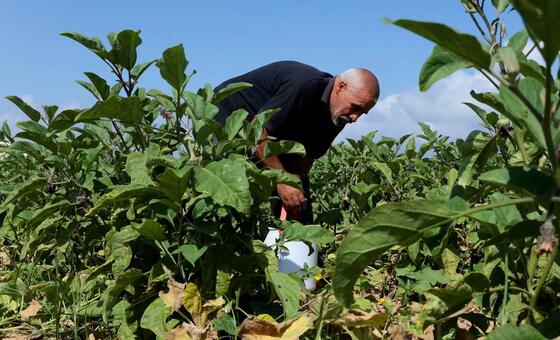
Only 3% of Gaza's cropland remains usable amid ongoing conflict. Farmers face impossible choices as food insecurity rises. Here's what's at stake and why it matters.
When you think about Gaza, farming probably isn't the first thing that comes to mind. But for thousands of families there, agriculture has always been the backbone of daily life — a way to put food on the table and keep communities standing. Right now, though, that backbone is breaking.
New data shows that only about 3% of Gaza's cropland remains usable. That's a devastating number, and it's not just a statistic. It means farmers can't find safe ground to plant, harvest, or even check on their fields without putting their lives on the line.
### What's Happening to the Land
The ongoing conflict has turned what was once fertile soil into a dangerous, unpredictable landscape. Bombardments, military operations, and restricted access have made it nearly impossible for farmers to reach their plots. Even when they do get there, the land itself is often damaged — craters, debris, and unexploded ordnance make large swaths of territory unusable.
It's not just about the physical damage, either. Water systems have been disrupted, irrigation networks are broken, and the supply chain for seeds, fertilizer, and fuel has all but collapsed. Without those basics, even the healthiest soil won't produce a crop.
### The Human Cost of a Failing Harvest
For the people who live in Gaza, this isn't an abstract issue. It's about whether they'll have enough to eat next week. Before the conflict, Gaza's farms supplied a significant portion of the region's fresh vegetables, fruits, and grains. Now, with only a tiny fraction of the land still viable, food insecurity is climbing fast.
Farmers are facing impossible choices every day:
- Risk their safety to tend to a field that may not yield anything
- Abandon their land and lose their only source of income
- Watch their stored seeds and tools get destroyed with no way to replace them
These aren't hypothetical scenarios. They're happening right now, to real people who have spent generations building something from the ground up.
### Why This Matters Beyond Gaza's Borders
You might be wondering why this should matter to you, thousands of miles away. Here's the thing: food systems are fragile, and when one region's agricultural base collapses, the ripple effects can be felt far beyond its borders. Aid organizations are already stretched thin, and the cost of importing food to replace what's been lost is enormous.
There's also a deeper, more human angle. Agriculture isn't just an economic activity — it's a source of identity and hope. When a farmer loses the ability to work the land, they lose more than a paycheck. They lose a piece of who they are.
### What Could Help
There's no easy fix, but experts point to a few things that could make a real difference:
- Safe corridors that let farmers access their land without fear
- Emergency supplies of seeds, tools, and fuel to restart basic farming
- Repair of water and irrigation systems, even on a small scale
- International support for local agricultural cooperatives
None of these are quick solutions, but they're starting points. Without them, the 3% figure could drop even lower — and the consequences would be felt for years, not just months.
### Looking Ahead
The situation in Gaza is complex, and there are no simple answers. But behind every percentage point is a family, a community, a way of life. When we talk about farmland, we're really talking about people — their hopes, their struggles, and their resilience.
It's easy to feel powerless when you hear news like this. But staying informed, supporting humanitarian efforts, and understanding the human side of the story are all ways to make a difference. The land may be shrinking, but the need for awareness and action isn't going anywhere.