Why Gaza's Food Crisis Isn't Going Away Anytime Soon
Robert Wilson ·
Listen to this article~4 min
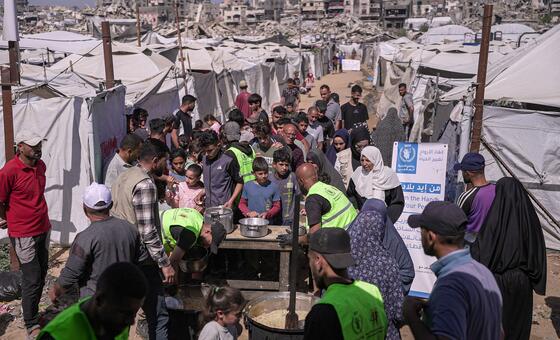
Despite some improvements, 1.4 million people in Gaza—two-thirds of the population—still face acute food shortages. The WFP warns that cutting external support could trigger a rapid decline.
It's easy to assume that when headlines shift, problems fade. But the reality on the ground in Gaza tells a different story. Despite some recent improvements in food availability, the numbers remain staggering. About 1.4 million people—roughly two-thirds of the entire population—are still facing acute food shortages. That's not a distant statistic. That's real families, real children, real uncertainty about where the next meal will come from.
And here's the part that should make us all pause: the situation could get dramatically worse if external support gets cut. The World Food Programme (WFP) just released its latest report covering July 1 through July 31, and the findings are sobering. This isn't about a temporary blip. It's about a fragile system holding on by a thread.
### What the Latest Numbers Actually Show
The WFP's July assessment paints a picture of a region caught between slow progress and looming setbacks. Yes, there have been some positive shifts—certain food distribution channels have reopened, and some aid shipments have gotten through more consistently than in previous months. But the overall picture remains grim.
Here's what the data tells us:
- Roughly 1.4 million people are experiencing acute food insecurity, which means they don't have reliable access to enough safe, nutritious food.
- That represents about 66% of Gaza's population—a proportion that's hard to wrap your head around until you think about it in practical terms.
- The improvements we're seeing are fragile. They depend heavily on continued international funding and logistical cooperation.
What's particularly concerning is that these gains aren't self-sustaining. Without steady external support, the entire system could collapse back into a much worse crisis.
### Why External Support Matters More Than Ever
You might wonder: if things are improving, why the alarm? The answer is that the current stability is artificial in some ways. It's propped up by aid programs, supply chains, and diplomatic efforts that could shift at any moment.
Think of it like a patient who's stabilized in the hospital but still needs round-the-clock care. The vital signs look better, but the underlying condition hasn't resolved. If the life support gets unplugged—whether due to funding cuts, political shifts, or logistical breakdowns—the patient crashes fast.
The WFP report specifically warns that any reduction in external support would likely trigger a rapid deterioration. We're not talking about a slow decline. We're talking about a situation that could worsen within weeks.
### The Human Cost Behind the Numbers
It's important to remember that behind every statistic is a person. A mother trying to stretch a bag of rice into three days of meals. A father skipping dinner so his kids can eat. A grandmother who's lost weight she couldn't afford to lose.
Acute food insecurity isn't just about hunger. It leads to malnutrition, weakened immune systems, and long-term developmental issues for children. It strains healthcare systems and deepens poverty. It creates a cycle that's incredibly hard to break.
### What Comes Next
The WFP's report isn't just a warning—it's also a call to action. The agency is urging donors and governments to maintain, if not increase, their commitments. The difference between a manageable crisis and a catastrophic one often comes down to timing and resources.
For those of us watching from afar, it's easy to feel helpless. But staying informed matters. Understanding the fragility of the situation helps us advocate for sustained support and hold leaders accountable.
### The Bottom Line
Gaza's food crisis isn't over. It's just entered a new, more fragile phase. The improvements are real, but they're not guaranteed to last. With 1.4 million people still facing acute shortages, the margin for error is razor-thin.
We should pay attention now, not because the news cycle demands it, but because the stakes are genuinely life-changing for millions of people. The next few months will tell us a lot about whether the progress holds or slips away. And that outcome depends, in large part, on decisions made far from Gaza's borders.