Gaza's Farmland Crisis: A Stark Reality
Emily Davis ·
Listen to this article~4 min
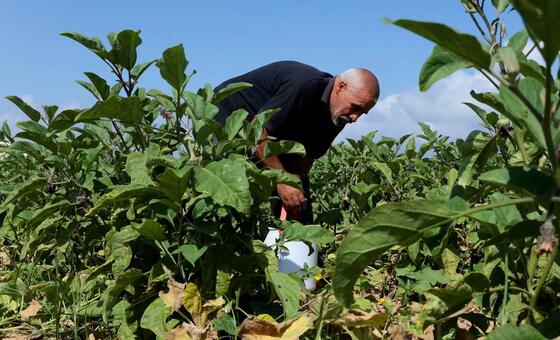
The ongoing situation in Gaza is creating a profound crisis for farmers. With only a mere three percent of arable land remaining usable, finding safe areas to grow crops is increasingly difficult. This stark reality impacts food security, livelihoods, and the very survival of many families, highligh
You know, when we talk about the ongoing situation in Gaza, it's easy to focus on the headlines. But there's a quieter, yet incredibly profound, crisis unfolding that directly impacts people's ability to feed themselves. We're talking about the land itself, specifically the agricultural land that's so vital for survival there.
It's becoming increasingly difficult for farmers in Gaza to find safe areas to cultivate their crops. Imagine trying to grow food, trying to sustain your family, when the very ground you depend on is a potential danger zone. It's a heartbreaking reality, and it's having a huge impact on food security.
### The Shrinking Green Spaces
Think about this for a moment: only a tiny fraction of Gaza's arable land is still usable. We're talking about a mere three percent of what was once productive farmland. That's not just a statistic; it's a stark indicator of immense pressure on a community that already faces incredible challenges. What happens when your primary source of sustenance dwindles to almost nothing?
This isn't just about losing some fields; it's about losing livelihoods, traditions, and the very fabric of how many families have survived for generations. Farmers, who are often the backbone of any community, are finding their profession, their way of life, under immense threat. They can't access their fields, or if they can, the land itself might be compromised.
### Impact on Food Security and Livelihoods
When farmland becomes unusable, it creates a domino effect. First, there's less food grown locally. This means a greater reliance on imported goods, which can be expensive and unreliable, especially in a region with access issues. For families already struggling, higher food prices can be devastating.
Second, farmers lose their income. Many depend entirely on their crops to provide for their families. Without land to work, without harvests to sell, they're left with very few options. This leads to increased poverty and a desperate search for alternative ways to earn a living, often in an economy that's already stretched thin.
Here’s a quick look at some of the challenges farmers face:
* **Access Restrictions:** Often, farmers simply can't get to their land due to safety concerns or imposed restrictions.
* **Land Contamination:** Fields can become damaged or contaminated, making them unsuitable for growing food.
* **Lack of Resources:** Even if land is accessible, resources like water, seeds, and equipment can be scarce or too expensive.
* **Market Disruptions:** Selling produce, even if it's grown, becomes incredibly difficult with disrupted supply chains and limited market access.
### A Call for Attention
This agricultural crisis isn't just an environmental issue; it's a humanitarian one. It directly impacts the health and well-being of thousands of people. When we hear about the broader conflict, it's crucial not to overlook these quieter, yet equally devastating, consequences.
Addressing this issue would mean looking at ways to ensure safe access for farmers, exploring methods for land rehabilitation, and supporting agricultural initiatives that can still function under difficult circumstances. It's about providing hope and practical solutions so that the people of Gaza can once again cultivate their land and feed their communities. It won't be easy, but it's a vital step towards rebuilding and resilience.